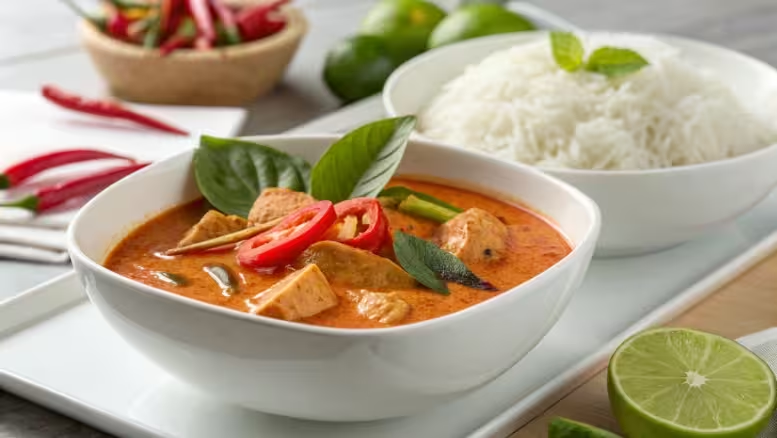
Panang Curry: A Rich and Creamy Thai Curry
Panang Curry is a rich and flavorful Thai curry made with creamy coconut milk, aromatic curry paste, tender meat or vegetables, and fragrant herbs. Known for its smooth texture and slightly sweet, savory flavor, Panang Curry is one of the most comforting and popular Thai dishes enjoyed around the world.
The curry has a thicker and creamier consistency compared to many other Thai curries, allowing the bold flavors of coconut, spices, and herbs to blend beautifully together. Every bite of Panang Curry feels warm, rich, and satisfying while still maintaining balanced Thai-inspired flavor.
Panang Curry is also highly versatile because it can be prepared with chicken, beef, shrimp, tofu, or vegetables, depending on your preference. Its restaurant-style flavor and simple cooking process make it a great homemade meal for both weeknight dinners and special occasions.
Whether served with jasmine rice, noodles, or vegetables, Panang Curry is a delicious and comforting dish that delivers bold Thai flavor in every spoonful.
Why You’ll Love This Panang Curry
Panang Curry combines creamy coconut milk with rich curry paste and aromatic spices to create a deep and comforting flavor. The sauce becomes thick, smooth, and flavorful while still feeling balanced and not overly spicy.
Another reason to love Panang Curry is its versatility. You can customize the dish with different proteins and vegetables while still maintaining the signature creamy curry flavor that makes this dish so popular.
Panang Curry is also easy to prepare at home using simple cooking techniques while still delivering restaurant-quality flavor. The rich sauce pairs beautifully with rice and absorbs flavor wonderfully into every ingredient.
What Kind of Curry Paste Should I Use for Panang Curry?
Traditional Panang curry paste works best for authentic Panang Curry flavor because it contains the signature blend of red chilies, lemongrass, garlic, galangal, and aromatic spices.
High-quality Thai curry paste creates a deeper flavor and smoother consistency throughout the curry. Fresh curry paste often produces a more vibrant and balanced taste compared to older or heavily processed versions.
Red curry paste may also be used if Panang curry paste is unavailable, although the flavor may become slightly spicier and less creamy. Authentic Panang Curry typically has milder heat and richer peanut-like flavor.
Fresh kaffir lime leaves and Thai basil also help enhance the authentic flavor profile of Panang Curry.
Options for Substitutions
Chicken, beef, shrimp, tofu, or mixed vegetables can all be used, depending on your preferred version of Panang Curry.
Light coconut milk may replace full-fat coconut milk for a lighter consistency, although the curry may become less creamy.
Fish sauce can be substituted with soy sauce for vegetarian or vegan variations.
Brown sugar or palm sugar may be adjusted depending on how sweet you prefer the Panang Curry.
Bell peppers, bamboo shoots, carrots, or green beans work beautifully as vegetable additions.
Ingredients for Panang Curry
For the Panang Curry
- 2 tablespoons Panang curry paste
- 2 cups coconut milk
- 1 pound chicken, beef, shrimp, or tofu
- 1 red bell pepper, sliced
- 2 kaffir lime leaves
- 1 tablespoon fish sauce
- 1 tablespoon brown sugar
- 1 tablespoon vegetable oil
- Thai basil leaves
For Serving
- Steamed jasmine rice
- Fresh lime wedges
Preparation of Panang Curry
Step 1: Prepare the Ingredients
Slice the protein and vegetables into even pieces for consistent cooking. Thin slices help the ingredients cook quickly while absorbing the rich curry flavor evenly.
Prepare the kaffir lime leaves and basil ahead of time because Panang Curry cooks relatively quickly once the curry base is heated.
Keeping all ingredients ready before cooking helps the process move smoothly and prevents overcooking.
Step 2: Heat the Curry Paste
Place a large pan or wok over medium heat and add vegetable oil.
Add the Panang curry paste and cook for about 1–2 minutes while stirring continuously. Heating the curry paste helps release the aromatic spices and deepen the flavor of the Panang Curry.
The paste should become fragrant and slightly darker in color without burning.
Step 3: Add the Coconut Milk
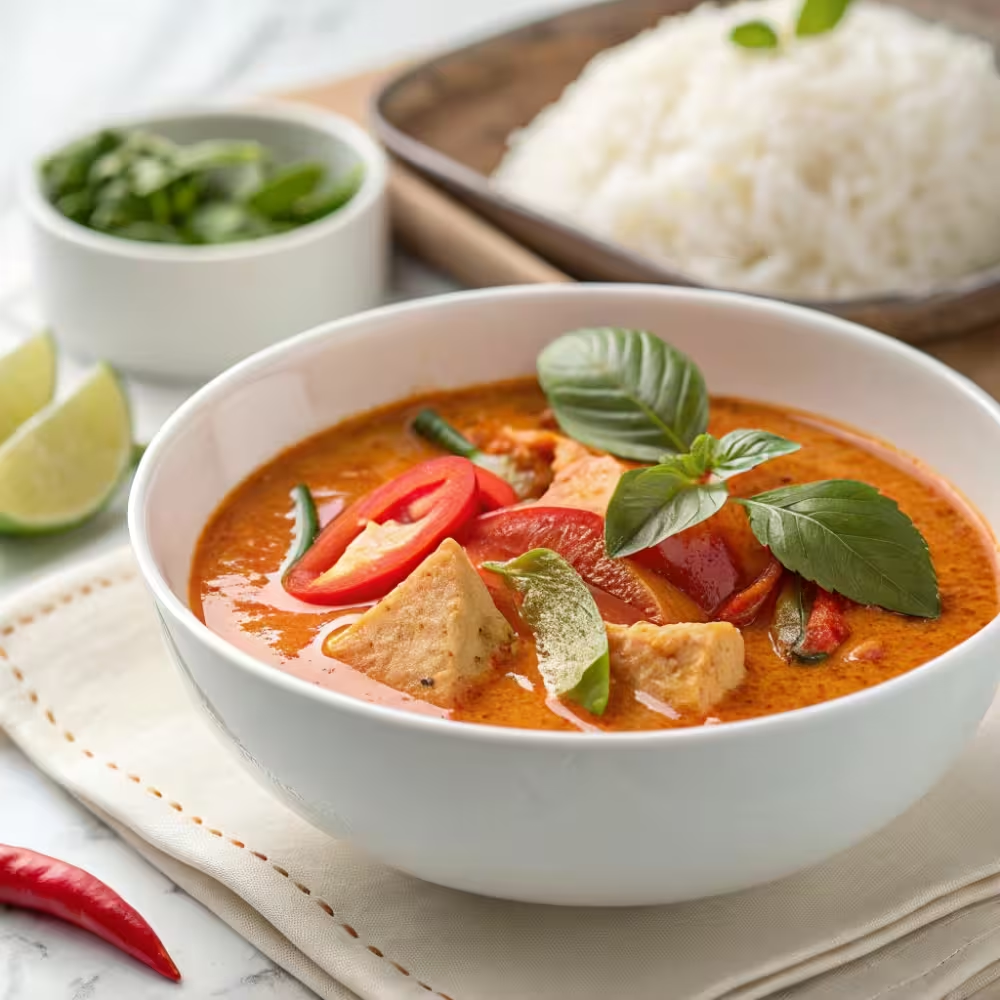
Slowly pour in part of the coconut milk while stirring continuously to combine it smoothly with the curry paste.
Allow the mixture to simmer gently until the oil begins separating slightly from the curry base. This step helps create authentic, rich flavor and creamy consistency in the Panang Curry.
Add the remaining coconut milk and continue stirring until smooth.
Step 4: Cook the Protein
Add the chicken, beef, shrimp, tofu, or chosen protein into the curry sauce.
Cook gently for several minutes until the protein becomes fully cooked and absorbs the rich flavors of the Panang Curry. Stir occasionally to ensure even cooking throughout the sauce.
The curry should remain smooth and creamy while the protein becomes tender and flavorful.
Step 5: Add the Vegetables and Seasonings
Add the sliced bell peppers, kaffir lime leaves, fish sauce, and brown sugar to the curry.
Simmer for another 5–7 minutes until the vegetables become tender while still maintaining a slight texture. The flavors should blend into a balanced combination of creamy, savory, sweet, and mildly spicy tastes.
Taste the Panang Curry and adjust the seasoning if needed before serving.
Step 6: Finish the Panang Curry
Add fresh Thai basil leaves during the final minutes of cooking.
The basil adds fresh aroma and helps brighten the rich coconut curry flavor. Stir gently so the herbs soften slightly without losing freshness.
The finished Panang Curry should appear thick, creamy, and deeply flavorful.
Step 7: Serve the Panang Curry
Spoon the Panang Curry into serving bowls while hot.
Serve alongside steamed jasmine rice and garnish with additional basil or lime wedges if desired.
The creamy curry sauce pairs perfectly with rice, allowing every bite to absorb the rich Thai-inspired flavor.
How Long to Prepare Panang Curry
Preparation Time
Preparing the ingredients for Panang Curry takes approximately 15 minutes.
Cooking Time
Cooking the Panang Curry takes about 25 minutes.
Total Time
The total time for making Panang Curry is around 40 minutes.
Tips for Perfecting Panang Curry
Use full-fat coconut milk because it creates the rich and creamy consistency that makes Panang Curry authentic and flavorful.
Cook the curry paste properly before adding the coconut milk to release a deeper aroma and flavor.
Avoid boiling the curry aggressively because gentle simmering helps maintain a smooth, creamy texture.
Fresh kaffir lime leaves and Thai basil greatly improve the authentic flavor of Panang Curry.
Taste and adjust the balance of sweetness, saltiness, and spice before serving for the best overall flavor.
Watch Out for These Mistakes While Cooking
Burning the curry paste may create a bitter flavor throughout the Panang Curry.
Using low-fat coconut milk can reduce the creamy texture and richness of the sauce.
Overcooking vegetables may cause them to lose texture and freshness.
Adding too much fish sauce may overpower the delicate balance of flavors.
Cooking on extremely high heat can cause the coconut milk to separate too much.
What to Serve With Panang Curry?
Panang Curry pairs beautifully with steamed jasmine rice because the rice absorbs the rich coconut curry sauce perfectly.
Rice noodles, stir-fried vegetables, cucumber salad, or spring rolls also work very well alongside Panang Curry.
Fresh lime wedges and Thai basil help brighten the rich, creamy flavor of the dish.
For larger Thai-inspired meals, Panang Curry can be served with satay, fried rice, or light soups.
Cold iced tea, sparkling water, or tropical fruit drinks pair wonderfully with the warm spices and creamy coconut flavor.
Storage Instructions
Store leftover Panang Curry in an airtight container in the refrigerator for up to 4 days. The flavor often becomes richer after resting overnight.
Reheat the Panang Curry gently over medium-low heat while stirring occasionally to maintain smooth consistency.
If the curry thickens too much during storage, add a small amount of coconut milk or water while reheating.
Panang Curry can also be frozen for up to 2 months, although fresh basil should be added after reheating for the best flavor.
Freshly prepared Panang Curry provides the best creamy texture and vibrant flavor.
Estimated Nutrition
Per Serving (Approximate)
- Calories: 420
- Carbohydrates: 14g
- Protein: 24g
- Fat: 30g
- Saturated Fat: 18g
- Sodium: 780mg
- Fiber: 3g
- Sugar: 6g
Nutrition values may vary depending on ingredients and serving sizes.
Frequently Asked Questions
What Does Panang Curry Taste Like?
Panang Curry tastes creamy, savory, slightly sweet, mildly spicy, and rich with coconut flavor.
Is Panang Curry Spicy?
Panang Curry is usually milder and creamier compared to many other Thai curries.
Can I Make Panang Curry Vegetarian?
Yes, tofu and vegetables work very well for vegetarian Panang Curry variations.
What Protein Works Best in Panang Curry?
Chicken, beef, shrimp, and tofu all pair beautifully with Panang Curry sauce.
Why Is My Panang Curry Too Thin?
Using too much liquid or low-fat coconut milk may reduce the thick, creamy consistency.
Conclusion
Panang Curry is a rich and comforting Thai dish filled with creamy coconut sauce, aromatic curry paste, and tender protein or vegetables. The smooth texture and balanced flavors make it one of the most satisfying Thai curry dishes for both casual meals and special dinners.
This homemade recipe combines simple ingredients with restaurant-style flavor and creamy consistency. The combination of coconut milk, herbs, and spices creates a warm and flavorful curry that pairs perfectly with jasmine rice.
Whether you are preparing Panang Curry for family dinners, Thai-inspired meals, or comforting homemade cooking, this flavorful dish is guaranteed to bring rich taste and satisfying texture to your table.