Homemade Pasta Dough: A Fresh and Authentic Italian Kitchen Essential
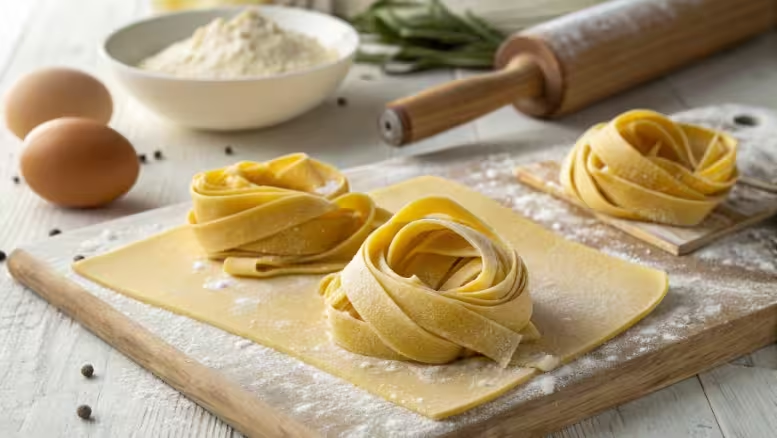
Homemade Pasta Dough is a classic Italian recipe made with simple ingredients like flour, eggs, and olive oil to create fresh pasta with rich flavor and tender texture. Known for its smooth consistency and versatility, Homemade Pasta Dough is the foundation for many traditional pasta dishes, including fettuccine, ravioli, lasagna, and tagliatelle.
Freshly made pasta has a softer texture and richer flavor compared to most store-bought varieties. The dough becomes silky, elastic, and easy to shape, making Homemade Pasta Dough perfect for creating restaurant-style pasta dishes right in your own kitchen.
Homemade Pasta Dough is also highly versatile because it can be rolled, cut, stuffed, or shaped into many different pasta styles. Whether served with creamy sauces, tomato-based dishes, or simple butter and herbs, fresh pasta always creates a more authentic and satisfying meal.
Why You’ll Love This Homemade Pasta Dough
Homemade Pasta Dough creates tender and flavorful pasta with a texture that feels softer and fresher than packaged pasta. The smooth dough cooks beautifully while absorbing sauces more effectively for richer flavor in every bite.
Another reason to love Homemade Pasta Dough is its versatility. The dough can be transformed into spaghetti, fettuccine, ravioli, lasagna sheets, or many other pasta shapes, depending on your preference and cooking style.
Homemade Pasta Dough also uses only a few simple ingredients while still delivering authentic Italian flavor and texture. Once you learn the basic technique, the recipe becomes easy to customize and use for countless homemade pasta dishes.
What Kind of Flour Should I Use for Homemade Pasta Dough?
Italian “00” flour is one of the best choices for Homemade Pasta Dough because it creates a silky texture and smooth elasticity. The fine texture of the flour helps produce tender pasta with authentic Italian-style consistency.
All-purpose flour may also be used for Homemade Pasta Dough if “00” flour is unavailable. It still creates delicious, fresh pasta with a slightly firmer texture.
Semolina flour is sometimes added for additional structure and slight chewiness. Many homemade pasta recipes combine semolina with “00” flour for a balanced texture and easier rolling.
Fresh eggs are equally important because they provide richness, color, and elasticity throughout the Homemade Pasta Dough.
Options for Substitutions
All-purpose flour can replace “00” flour for a more accessible Homemade Pasta Dough variation.
Semolina flour may be partially added for a firmer texture and more traditional pasta bite.
Olive oil can be omitted if preferred, although it helps create a smoother dough texture.
Water-based pasta dough can be made instead of egg pasta for vegan variations.
Spinach puree, beet puree, or herbs can be added for colorful and flavored Homemade Pasta Dough variations.
Ingredients for Homemade Pasta Dough
For the Homemade Pasta Dough
- 2 cups “00” flour or all-purpose flour
- 3 large eggs
- 1 tablespoon olive oil
- ½ teaspoon salt
Preparation of Homemade Pasta Dough
Step 1: Prepare the Flour
Place the flour onto a clean work surface or large mixing bowl. Create a well in the center of the flour using your hands or a spoon.
The well helps hold the eggs and prevents the liquid from spreading too quickly while mixing the Homemade Pasta Dough.
Keeping the flour walls thick around the edges makes combining easier during the early mixing process.
Step 2: Add the Eggs
Crack the eggs into the center well and add the olive oil and salt.
Using a fork, gently whisk the eggs while slowly pulling small amounts of flour inward from the edges. Continue mixing gradually until the Homemade Pasta Dough begins forming rough clumps.
Mixing slowly helps prevent lumps and keeps the dough smooth and even.
Step 3: Form the Dough
Once the mixture becomes thick enough, begin kneading it with your hands.
Press and fold the Homemade Pasta Dough repeatedly for about 8–10 minutes until it becomes smooth, elastic, and slightly firm.
If the dough feels too sticky, add small amounts of flour gradually. If it feels too dry, lightly wet your hands while kneading.
Proper kneading develops gluten, which helps create a smooth and stretchy pasta texture.
Step 4: Rest the Homemade Pasta Dough
Shape the dough into a ball and wrap it tightly with plastic wrap or cover it with a towel.
Allow the Homemade Pasta Dough to rest for at least 30 minutes at room temperature. Resting relaxes the gluten and makes the dough easier to roll out later.
The dough should feel softer and smoother after resting.
Step 5: Roll the Dough
Cut the Homemade Pasta Dough into smaller portions for easier handling.
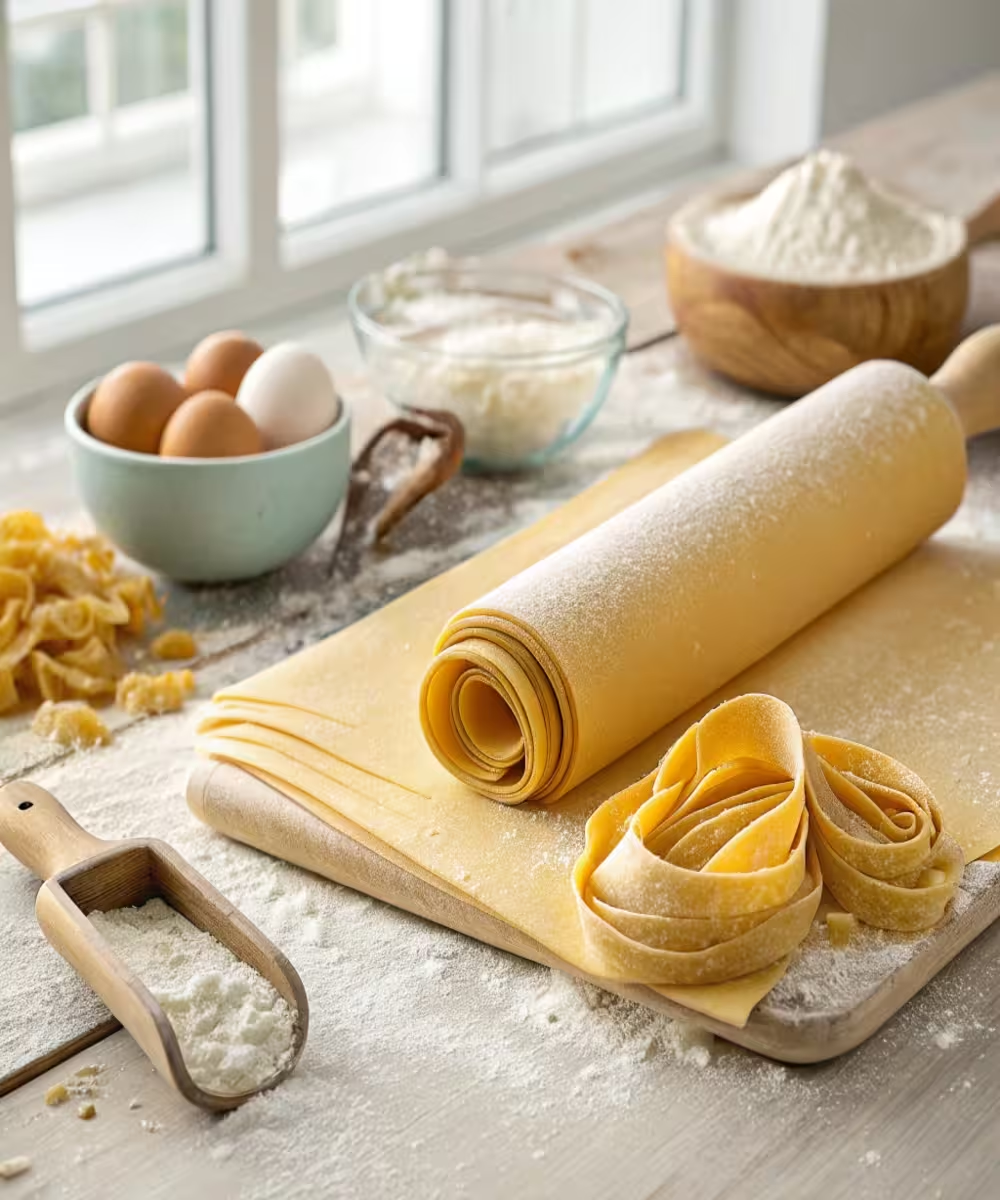
Lightly flour the surface and roll the dough using a rolling pin or pasta machine until thin and smooth. Continue folding and rolling if necessary to achieve even thickness.
The dough should become silky and flexible without tearing.
Step 6: Shape the Pasta
Cut the rolled dough into your desired pasta shape, such as fettuccine, tagliatelle, ravioli sheets, or lasagna layers.
Lightly dust the pasta with flour to prevent sticking while shaping and storing.
Fresh Homemade Pasta Dough cooks quickly, so avoid stacking the pasta tightly together before cooking.
Step 7: Cook the Fresh Pasta
Bring a large pot of salted water to a boil.
Cook the fresh pasta for about 2–4 minutes, depending on thickness and shape. Fresh Homemade Pasta Dough cooks much faster than dried pasta.
The pasta should become tender while still maintaining a slight bite and structure.
Serve immediately with your favorite sauce or toppings.
How Long to Prepare Homemade Pasta Dough
Preparation Time
Preparing and mixing the Homemade Pasta Dough takes approximately 20 minutes.
Resting Time
Resting the Homemade Pasta Dough takes about 30 minutes.
Cooking Time
Fresh pasta cooks in approximately 2–4 minutes.
Total Time
The total time for making Homemade Pasta Dough is around 1 hour.
Tips for Perfecting Homemade Pasta Dough
Use fresh eggs because they strongly affect the flavor, color, and texture of Homemade Pasta Dough.
Knead the dough thoroughly to develop proper elasticity and smooth consistency.
Allow the dough to rest fully because rested dough rolls out more easily and evenly.
Lightly flour surfaces while rolling to prevent sticking without drying out the dough.
Roll the Homemade Pasta Dough evenly for consistent cooking and texture throughout the pasta.
Watch Out for These Mistakes While Cooking
Adding too much flour can make the homemade pasta dough dry and difficult to roll.
Skipping the resting time may create dough that shrinks back while rolling.
Undercooking or overcooking fresh pasta can affect the final texture.
Rolling uneven thickness may cause inconsistent cooking throughout the pasta.
Overdrying the pasta before cooking may reduce tenderness and flexibility.
What to Serve With Homemade Pasta Dough?
Homemade Pasta Dough pairs beautifully with marinara sauce, Alfredo sauce, pesto, garlic butter, or creamy mushroom sauces.
Fresh Parmesan cheese, herbs, olive oil, and roasted vegetables also complement homemade pasta very well.
For heartier meals, Homemade Pasta Dough works wonderfully with meatballs, grilled chicken, seafood, or braised meats.
Fresh salads, garlic bread, and soups make excellent side dishes alongside homemade pasta meals.
The fresh texture of Homemade Pasta Dough also pairs beautifully with simple sauces that allow the pasta itself to shine.
Storage Instructions
Wrap unused Homemade Pasta Dough tightly in plastic wrap and refrigerate for up to 2 days.
Freshly cut pasta can be lightly floured and refrigerated briefly before cooking.
Homemade Pasta Dough can also be frozen for up to 1 month in sealed containers or freezer bags.
Allow refrigerated dough to rest at room temperature briefly before rolling.
Fresh pasta tastes best when cooked soon after preparation for optimal texture and flavor.
Estimated Nutrition
Per Serving (Approximate)
- Calories: 260
- Carbohydrates: 38g
- Protein: 9g
- Fat: 7g
- Saturated Fat: 2g
- Sodium: 180mg
- Fiber: 1g
- Sugar: 1g
Nutrition values may vary depending on ingredients and serving sizes.
Frequently Asked Questions
What Does Homemade Pasta Dough Taste Like?
Homemade Pasta Dough tastes rich, fresh, soft, and slightly chewy with a delicate egg flavor.
Can I Make Homemade Pasta Dough Without Eggs?
Yes, water-based dough can be made for vegan versions of Homemade Pasta Dough.
Why Is My Homemade Pasta Dough Too Sticky?
Too much moisture or insufficient flour can make the dough sticky.
How Thin Should Homemade Pasta Dough Be?
The dough should be thin enough to appear slightly translucent without tearing.
Can I Freeze Homemade Pasta Dough?
Yes, Homemade Pasta Dough freezes very well when wrapped properly.
Conclusion
Homemade Pasta Dough is a fresh and authentic Italian kitchen staple that creates tender, flavorful pasta with rich texture and satisfying bite. The combination of simple ingredients and traditional techniques produces pasta that feels far more special than store-bought varieties.
This easy homemade recipe allows you to create countless pasta styles while enjoying fresh texture and authentic flavor. The silky dough and soft-cooked pasta make Homemade Pasta Dough perfect for both simple meals and elegant dinners.
Whether you are preparing Homemade Pasta Dough for ravioli, fettuccine, lasagna, or classic pasta dishes, this versatile recipe is guaranteed to bring fresh Italian-inspired flavor to your kitchen.