Yeast Rolls: Soft, Fluffy, and Perfect for Every Meal
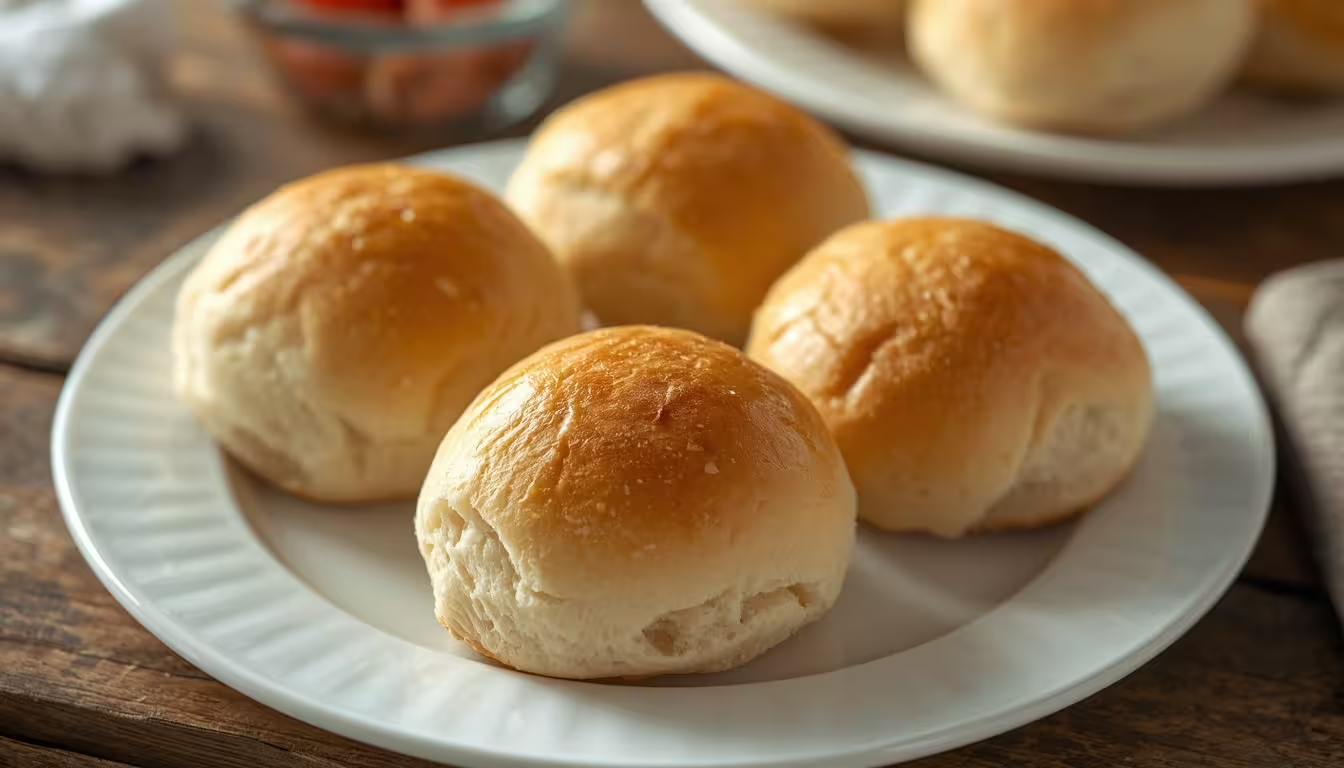
Yeast Rolls are classic homemade bread rolls known for their soft texture, golden exterior, and rich buttery flavor. Made with yeast, flour, milk, and butter, these rolls rise into light and airy pillows of bread that are perfect for holiday dinners, family gatherings, and everyday meals. Freshly baked Yeast Rolls have a comforting aroma and irresistible texture that make them a favorite at any table.
The secret to great Yeast Rolls lies in the yeast fermentation process, which creates both flavor and structure. As the dough rises, it develops a tender crumb and airy interior while maintaining enough strength to hold its shape during baking. The result is a roll that is soft, fluffy, and satisfying with every bite.
Yeast Rolls are also incredibly versatile. They can be served alongside soups, stews, roasted meats, and holiday feasts or enjoyed simply with butter and jam. Their timeless appeal makes them one of the most beloved homemade bread recipes.
Why You’ll Love These Yeast Rolls
These Yeast Rolls are wonderfully soft and fluffy with a rich homemade flavor that far surpasses most store-bought options. The tender texture makes them ideal for soaking up sauces, gravies, and soups while still being delicious enough to enjoy on their own.
Another reason to love these Yeast Rolls is their versatility. They fit seamlessly into casual family dinners, holiday celebrations, and special occasions while complementing a wide variety of dishes.
These Yeast Rolls are also rewarding to make. Watching the dough rise and transform into golden homemade bread creates a baking experience that is both enjoyable and satisfying.
What Kind of Yeast Should I Use for Yeast Rolls?
Active dry yeast is one of the most commonly used options for Yeast Rolls because it is widely available and provides reliable results. It typically needs to be activated in warm liquid before being added to the dough.
Instant yeast is another excellent choice. It can usually be mixed directly into the dry ingredients and often reduces the overall preparation time slightly while producing similar results.
Regardless of which type you choose, fresh yeast is essential for proper rising. Expired or improperly stored yeast may prevent the dough from rising correctly and affect the final texture.
Using high-quality yeast helps ensure soft, fluffy Yeast Rolls with excellent flavor and structure.
Options for Substitutions
Whole milk may be replaced with 2% milk.
Honey can replace part of the sugar for additional flavor.
Bread flour may replace all-purpose flour for slightly more chew.
Unsalted butter may be used instead of salted butter.
Instant yeast can replace active dry yeast with minor adjustments.
Ingredients for Yeast Rolls
For the Dough
- 1 cup warm milk
- 2¼ teaspoons active dry yeast
- ¼ cup granulated sugar
- ¼ cup melted butter
- 1 large egg
- 1 teaspoon salt
- 3½ to 4 cups all-purpose flour
For Brushing
- 2 tablespoons melted butter
Preparation of Yeast Rolls
Step 1: Activate the Yeast
Pour the warm milk into a large mixing bowl.
Add the yeast and a small amount of the sugar, then stir gently. Allow the mixture to sit for approximately 5–10 minutes until it becomes foamy and active.
The foamy appearance indicates that the yeast is alive and ready to help the dough rise properly.
Step 2: Mix the Wet Ingredients
Add the remaining sugar, melted butter, egg, and salt to the yeast mixture.
Whisk until the ingredients are fully combined. The mixture should appear smooth and slightly creamy.
These ingredients provide richness, moisture, and flavor to the finished Yeast Rolls.
Step 3: Add the Flour
Gradually add the flour one cup at a time.
Mix until a soft dough forms and begins pulling away from the sides of the bowl. The dough should remain slightly soft and tacky without being overly sticky.
Avoid adding excessive flour because it can make the rolls dense instead of fluffy.
Step 4: Knead the Dough
Transfer the dough to a lightly floured surface.
Knead for approximately 8–10 minutes until the dough becomes smooth, elastic, and soft. Proper kneading develops the gluten structure needed for light and airy Yeast Rolls.
The dough should spring back gently when pressed.
Step 5: First Rise
Place the dough into a lightly greased bowl.
Cover and allow it to rise in a warm location until doubled in size, approximately 1 to 1½ hours. During this time, the yeast develops flavor and creates the airy texture characteristic of homemade rolls.
The dough should become noticeably larger and puffy.
Step 6: Shape the Rolls
Punch down the risen dough and divide it into equal portions.
Shape each portion into a smooth ball and place them into a greased baking dish or on a baking sheet. Leave slight spacing between the rolls to allow room for expansion.
The rolls should appear smooth and evenly shaped.
Step 7: Second Rise and Bake
Cover the shaped rolls and allow them to rise again for approximately 30–45 minutes.
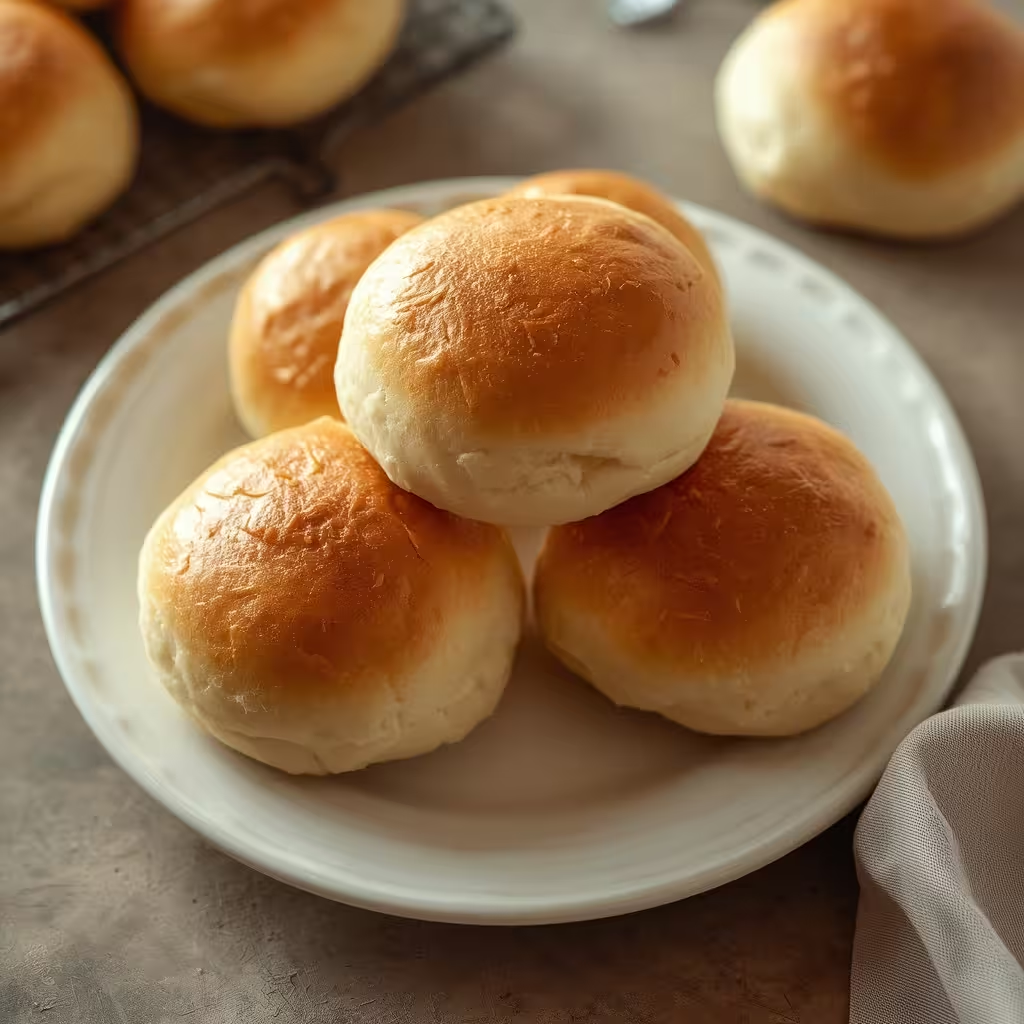
Preheat the oven to 375°F (190°C). Bake the rolls for 15–18 minutes or until golden brown on top. Immediately brush the warm Yeast Rolls with melted butter for additional flavor and softness.
The finished rolls should be golden, fluffy, and tender throughout.
How Long to Prepare Yeast Rolls
Preparation Time
Preparing the dough takes approximately 20 minutes.
First Rise
The first rise takes about 1 to 1½ hours.
Second Rise
The second rise takes approximately 45 minutes.
Baking Time
Baking the Yeast Rolls takes about 18 minutes.
Total Time
The total time for making Yeast Rolls is approximately 2½ to 3 hours.
Tips for Perfecting Yeast Rolls
Use warm milk rather than hot milk to protect the yeast.
Measure flour carefully to maintain a soft dough.
Allow both rises to fully develop for maximum fluffiness.
Brush with butter immediately after baking.
Serve warm whenever possible.
Watch Out for These Mistakes While Cooking
Using liquid that is too hot can kill the yeast.
Adding too much flour may create dense rolls.
Under-proofing can limit volume and softness.
Overbaking may dry out the rolls.
Using old yeast can prevent proper rising.
What to Serve With Yeast Rolls?
Yeast Rolls pair beautifully with soups, stews, chili, roasted chicken, turkey, ham, pot roast, and holiday dinners. Their soft texture makes them perfect for absorbing gravies and sauces.
They are also delicious with butter, honey, jam, fruit preserves, and flavored spreads. Their mild flavor complements both sweet and savory accompaniments.
For breakfast or brunch, Yeast Rolls pair wonderfully with eggs, bacon, sausage, and fresh fruit. Their versatility makes them suitable for nearly any meal.
Coffee, tea, milk, hot chocolate, and fresh juices pair especially well with warm homemade Yeast Rolls.
Yeast Rolls are particularly popular during holidays, family gatherings, Sunday dinners, and festive celebrations.
Storage Instructions
Store Yeast Rolls in an airtight container at room temperature for up to 3 days.
Reheat briefly in the microwave or oven before serving to restore softness.
The rolls may also be frozen for up to 3 months when properly wrapped and stored.
Allow frozen rolls to thaw at room temperature before reheating.
Proper storage helps maintain the soft texture and fresh flavor of the rolls.
Estimated Nutrition
Per Roll (Approximate)
- Calories: 170
- Carbohydrates: 28g
- Protein: 4g
- Fat: 4g
- Saturated Fat: 2g
- Sodium: 170mg
- Fiber: 1g
- Sugar: 3g
Nutrition values may vary depending on ingredients and serving sizes.
Frequently Asked Questions
What Do Yeast Rolls Taste Like?
Yeast Rolls taste soft, buttery, slightly sweet, and rich with classic homemade bread flavor.
Can I Make Yeast Rolls Ahead of Time?
Yes, the dough can be prepared ahead and refrigerated before baking.
Why Didn’t My Dough Rise?
Inactive yeast, cold temperatures, or overly hot liquid may prevent proper rising.
Can I Freeze Yeast Rolls?
Yes, they freeze very well and reheat beautifully.
What’s the Difference Between Yeast Rolls and Dinner Rolls?
Most dinner rolls are yeast rolls, although some quick versions use baking powder instead of yeast.
Conclusion
Yeast Rolls are a timeless homemade bread recipe that delivers soft texture, rich flavor, and comforting warmth in every bite. Their fluffy interior and golden buttery exterior make them a favorite addition to meals ranging from casual weeknight dinners to elaborate holiday feasts.
This homemade recipe transforms simple pantry ingredients into bakery-quality rolls that are both satisfying and versatile. The process of mixing, kneading, rising, and baking creates bread with exceptional flavor and texture that simply cannot be matched by many store-bought alternatives.
Whether you are preparing Yeast Rolls for a holiday gathering, family dinner, special occasion, or everyday meal, this classic recipe is guaranteed to become a cherished favorite in your baking collection.