Sourdough Pizza Crust: Crispy, Chewy, and Full of Artisan Flavor
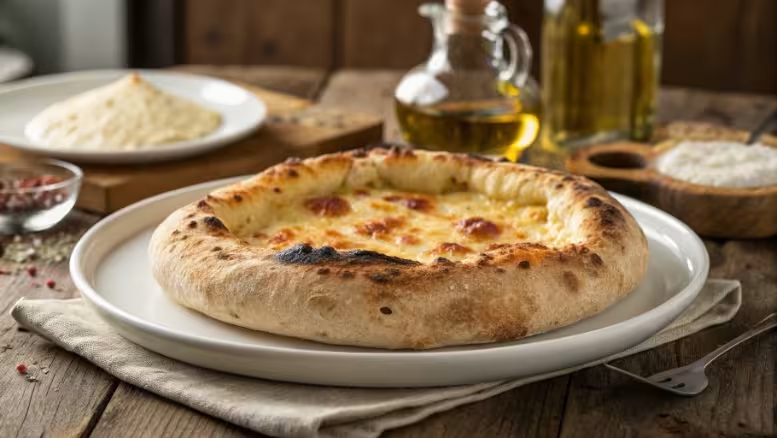
Sourdough Pizza Crust is a flavorful homemade pizza dough made with active sourdough starter, flour, water, and salt that creates crisp edges, a chewy texture, and a deep fermented flavor. Known for its airy structure and artisan-style taste, Sourdough Pizza Crust has become a favorite for homemade pizza nights, rustic baking, and classic wood-fired style pizzas.
The slow fermentation process develops rich flavor while helping the crust bake into crispy golden edges with soft, chewy centers. Every bite of Sourdough Pizza Crust feels light, slightly tangy, and deeply satisfying with bakery-style texture and aroma.
Sourdough Pizza Crust is also highly versatile because it works beautifully with many toppings and cooking methods. Whether baked in a pizza oven, cast iron skillet, or standard home oven, this homemade crust delivers authentic pizzeria-style flavor and texture.
Why You’ll Love This Sourdough Pizza Crust
Sourdough Pizza Crust combines crisp golden edges with a chewy, airy texture to create authentic artisan-style pizza at home. The natural fermentation gives the crust a deeper flavor than traditional quick pizza dough.
Another reason to love Sourdough Pizza Crust is its texture. The dough develops beautiful bubbles and a light structure while remaining strong enough to hold toppings without becoming heavy or dense.
Sourdough Pizza Crust is also perfect for homemade pizza nights because the dough can be prepared ahead of time, allowing the flavor to develop slowly while making baking day easier and more convenient.
What Kind of Sourdough Starter Should I Use for Sourdough Pizza Crust?
An active and bubbly sourdough starter works best for Sourdough Pizza Crust because it provides strong fermentation and proper dough rise. The starter should smell pleasantly tangy and appear airy before mixing into the dough.
A recently fed starter creates a lighter texture and better oven spring during baking. Strong active starter helps develop the chewy structure and airy bubbles that make Sourdough Pizza Crust feel artisanal and flavorful.
Both white flour starters and whole wheat starters can work beautifully, depending on your preferred flavor profile. White flour starter usually creates a slightly lighter texture, while whole wheat starter adds a deeper, earthy flavor.
A healthy sourdough starter with consistent fermentation activity is essential for creating the best Sourdough Pizza Crust texture and flavor.
Options for Substitutions
Bread flour works best for a chewy texture, although all-purpose flour may also be used for a slightly softer crust.
Olive oil may be added for a slightly richer dough texture and softer crust edges.
Whole wheat flour can replace part of the flour for a more rustic flavor and denser texture.
Honey or sugar may be added in small amounts to encourage browning if desired.
Fresh herbs, garlic powder, or Italian seasoning can also be mixed into the dough for extra flavor.
Ingredients for Sourdough Pizza Crust
For the Sourdough Pizza Crust
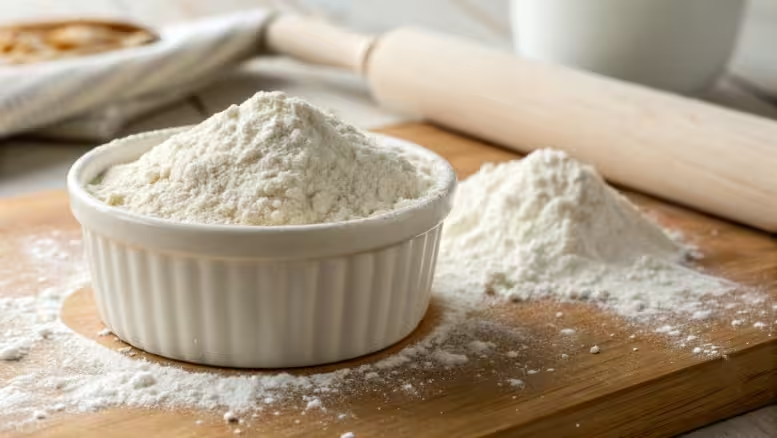
- 500g bread flour
- 350g water
- 100g active sourdough starter
- 10g salt
- 1 tablespoon olive oil (optional)
Preparation of Sourdough Pizza Crust
Step 1: Mix the Dough
In a large mixing bowl, combine the water and active sourdough starter until mostly dissolved.
Add the bread flour and mix until a rough dough forms. Allow the dough to rest for about 20–30 minutes before adding the salt. This resting period helps hydrate the flour and improve gluten development in the Sourdough Pizza Crust.
The dough should appear shaggy and slightly sticky during the early mixing stage.
Step 2: Add the Salt and Knead
Sprinkle the salt over the dough and knead until fully incorporated.
Continue kneading until the dough becomes smoother and more elastic. The Sourdough Pizza Crust dough should feel soft, stretchy, and slightly tacky without becoming overly wet.
If desired, add olive oil during kneading for a slightly softer texture and richer flavor.
Step 3: Begin the First Fermentation
Place the dough into a lightly oiled bowl and cover it.
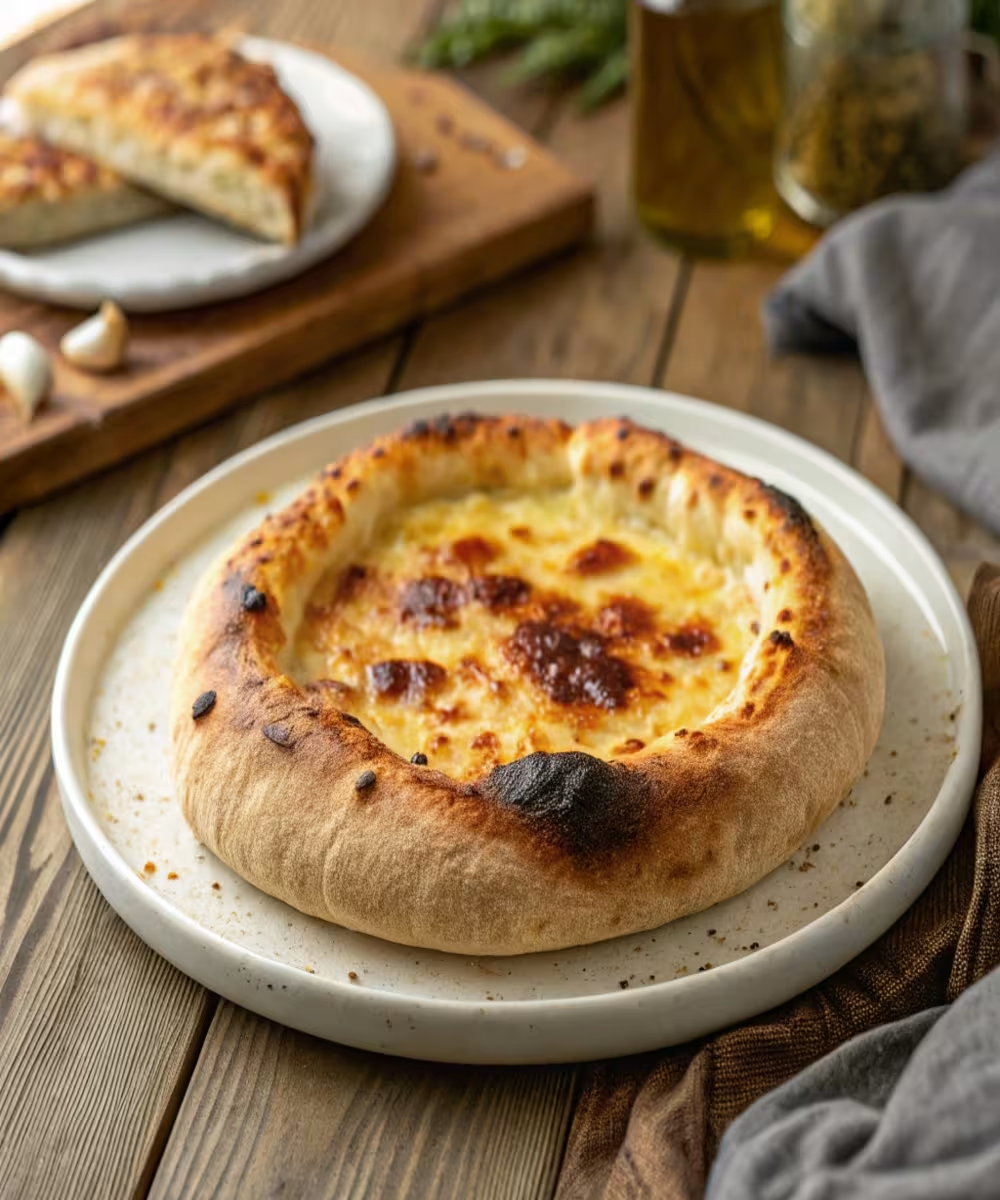
Allow the Sourdough Pizza Crust dough to ferment at room temperature for several hours. During this time, the dough gradually becomes puffier and develops a deeper flavor through natural fermentation.
Stretch-and-fold techniques every 30–45 minutes during the first few hours help strengthen the dough structure beautifully.
Step 4: Refrigerate the Dough
Transfer the dough to the refrigerator for cold fermentation.
Allowing the Sourdough Pizza Crust dough to ferment overnight or up to several days develops richer flavor, better texture, and improved digestibility.
The dough should slowly expand while becoming airy and flavorful during refrigeration.
Step 5: Shape the Sourdough Pizza Crust
Remove the dough from the refrigerator and allow it to rest at room temperature before shaping.
Divide the dough into portions and gently stretch each piece into pizza rounds using your hands. Avoid pressing out all the air bubbles because they help create an airy crust texture.
The Sourdough Pizza Crust should feel soft, elastic, and easy to stretch without tearing.
Step 6: Add Toppings and Bake
Preheat the oven or pizza stone to very high heat, ideally around 500°F (260°C) if possible.
Add your preferred sauce, cheese, and toppings to the Sourdough Pizza Crust. Bake until the crust becomes deeply golden with crisp edges and bubbling cheese.
The crust should develop airy pockets, a chewy texture, and beautifully browned spots while baking.
Step 7: Cool and Serve the Sourdough Pizza Crust
Remove the pizza from the oven and allow it to cool slightly before slicing.
The finished Sourdough Pizza Crust should taste chewy, lightly tangy, airy, crisp, and deeply flavorful with artisan-style texture.
Serve warm while the crust remains crisp and the toppings are fresh and bubbly.
How Long to Prepare Sourdough Pizza Crust
Preparation Time
Preparing the Sourdough Pizza Crust dough takes approximately 25 minutes.
Fermentation Time
Fermenting the dough takes about 12–24 hours, depending on flavor preference.
Baking Time
Baking the Sourdough Pizza Crust takes approximately 10–15 minutes.
Total Time
The total time for making Sourdough Pizza Crust is around 13–25 hours.
Tips for Perfecting Sourdough Pizza Crust
Use an active bubbly sourdough starter for the best rise and texture.
Cold fermentation develops a deeper flavor and better crust structure.
Bake the pizza at a very high heat for a crisp crust and airy bubbles.
Avoid overloading toppings because excessive moisture may soften the crust.
Handle the dough gently while shaping to preserve air pockets.
Watch Out for These Mistakes While Cooking
Using an inactive starter may prevent proper fermentation and rise.
Adding too much flour during shaping can create a dry crust texture.
Overworking the dough may remove important air bubbles.
Low oven temperature may prevent proper crust crispness and browning.
Skipping fermentation time reduces the flavor complexity of the Sourdough Pizza Crust.
What to Serve With Sourdough Pizza Crust?
Sourdough Pizza Crust pairs beautifully with classic tomato sauce, mozzarella cheese, fresh basil, roasted vegetables, pepperoni, mushrooms, and countless pizza toppings.
Fresh salads, garlic knots, roasted vegetables, and soups also work wonderfully alongside pizzas made with Sourdough Pizza Crust.
Sparkling water, lemonade, soda, or Italian-style beverages pair especially well with artisan pizza flavors.
Sourdough Pizza Crust is especially perfect for pizza nights, gatherings, homemade artisan baking, and casual entertaining.
Its chewy texture and rich flavor make it ideal for both simple and gourmet pizza combinations.
Storage Instructions
Store leftover Sourdough Pizza Crust or baked pizza in an airtight container in the refrigerator for up to 4 days.
Reheat pizza in the oven or skillet for the best crisp texture.
Unbaked Sourdough Pizza Crust dough may remain refrigerated for several days before baking.
The dough can also be frozen for up to 2 months in sealed containers.
Allow refrigerated dough to return to room temperature before shaping and baking.
Estimated Nutrition
Per Serving (Approximate)
- Calories: 210
- Carbohydrates: 40g
- Protein: 6g
- Fat: 2g
- Saturated Fat: 0g
- Sodium: 290mg
- Fiber: 1g
- Sugar: 0g
Nutrition values may vary depending on ingredients and serving sizes.
Frequently Asked Questions
What Does Sourdough Pizza Crust Taste Like?
Sourdough Pizza Crust tastes chewy, lightly tangy, crisp, airy, and rich with artisan bread flavor.
Why Is My Sourdough Pizza Crust Dense?
Inactive starter or insufficient fermentation may create a dense dough texture.
Can I Freeze Sourdough Pizza Dough?
Yes, the dough freezes very well before or after fermentation.
Do I Need a Pizza Stone?
No, although pizza stones help create a crispier sourdough pizza crust texture.
How Long Should Sourdough Pizza Dough Ferment?
Longer fermentation usually creates a deeper flavor and better texture.
Conclusion
Sourdough Pizza Crust is a crisp, chewy, and flavorful artisan-style pizza dough filled with rich fermented flavor and airy texture. The natural sourdough fermentation creates bakery-style depth and satisfying chew that elevate homemade pizza dramatically.
This homemade recipe combines simple ingredients with slow fermentation to create an authentic pizzeria-style crust with crisp edges and a tender interior. The chewy texture and tangy flavor make Sourdough Pizza Crust perfect for countless pizza combinations and homemade pizza nights.
Whether you are preparing Sourdough Pizza Crust for family dinners, artisan baking, or weekend pizza gatherings, this flavorful homemade crust is guaranteed to bring restaurant-quality pizza to your kitchen.