Miso Salmon: A Savory and Flavorful Seafood Dish
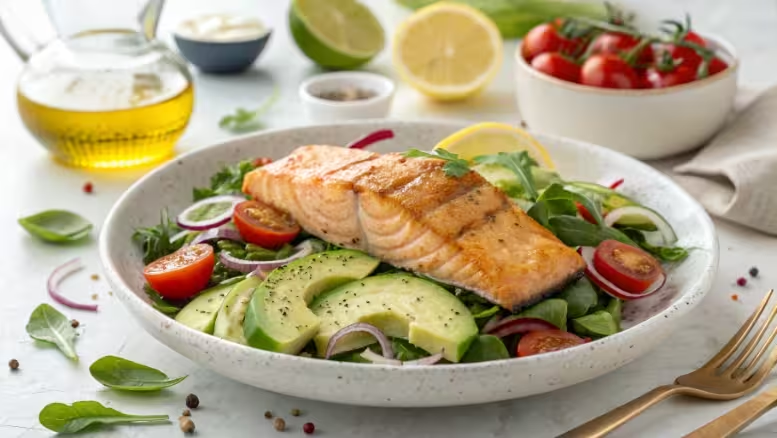
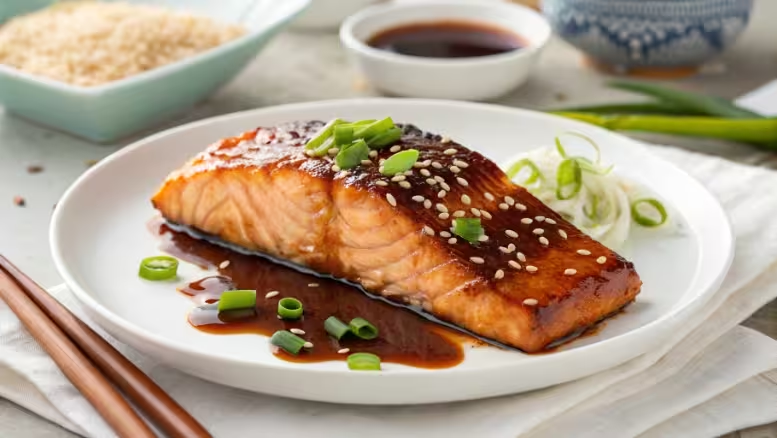
Miso Salmon is a rich and flavorful seafood dish made with tender salmon fillets coated in a savory miso glaze. The combination of miso paste, soy sauce, garlic, and subtle sweetness creates a delicious balance of sweet, salty, and umami flavor.
The glaze caramelizes beautifully while cooking, giving Miso Salmon a glossy finish and deep savory taste. The salmon stays flaky and tender while absorbing all the bold flavors from the marinade.
Miso Salmon is perfect for weeknight dinners, healthy meals, or elegant seafood dishes served with rice and vegetables. Its restaurant-style flavor and simple preparation make it a favorite for seafood lovers.
2. Why You’ll Love This Miso Salmon
Miso Salmon is packed with rich umami flavor from the savory miso glaze and tender salmon.
The salmon becomes perfectly flaky and juicy while the glaze creates a delicious caramelized coating.
This recipe is quick and easy to prepare, making it perfect for busy weeknights or elegant dinners.
Miso Salmon also pairs well with many side dishes, including rice, vegetables, and noodles.
Another reason to love Miso Salmon is its healthy balance of protein and healthy fats.
The sweet and savory glaze creates restaurant-style flavor using simple ingredients that are easy to find.
Miso Salmon is also versatile because it can be baked, broiled, grilled, or pan-seared depending on your preference.
3. What Kind of Salmon Should I Use for Miso Salmon?
Fresh salmon fillets work best for Miso Salmon because they provide rich flavor and tender texture.
Atlantic salmon is a popular choice because of its buttery texture and higher fat content.
Sockeye salmon offers a firmer texture and stronger seafood flavor for a more robust Miso Salmon.
Skin-on salmon fillets help keep the fish moist during cooking and create a better texture.
Fresh, high-quality salmon is recommended for the best flavor and appearance.
Frozen salmon may also be used if properly thawed before cooking.
Avoid very thin salmon fillets because they may cook too quickly and dry out.
4. Options for Substitutions
White miso paste may be replaced with red miso for a stronger and deeper flavor.
Honey or maple syrup can substitute sugar for natural sweetness in the glaze.
Tamari may replace soy sauce for a gluten-free version of Miso Salmon.
Cod, halibut, or trout can also be used instead of salmon.
Fresh ginger may be added for extra warmth and flavor.
Sesame oil can be added to the glaze for a richer, nutty flavor.
Brown sugar may replace honey if preferred.
5. Ingredients for Miso Salmon
For the Miso Salmon
- 4 salmon fillets
- 3 tablespoons white miso paste
- 2 tablespoons soy sauce
- 1 tablespoon honey
- 1 tablespoon rice vinegar
- 2 garlic cloves, minced
- 1 teaspoon sesame oil
- 1 teaspoon grated ginger
- Black pepper to taste
For Garnish
- Sesame seeds
- Green onions, sliced
- Lemon wedges
6. Preparation of Miso Salmon
Step 1: Prepare the Miso Glaze
In a small bowl, combine the miso paste, soy sauce, honey, rice vinegar, garlic, sesame oil, and grated ginger.
Whisk the ingredients together until the glaze becomes smooth and fully combined.
The glaze should appear thick, glossy, and packed with savory aroma.
Step 2: Prepare the Salmon
Pat the salmon fillets dry with paper towels to remove excess moisture.
Place the salmon fillets on a lined baking tray or plate.
Season lightly with black pepper if desired.
Dry salmon helps the glaze stick better while cooking.
 Step 3: Coat the Salmon
 Step 3: Coat the Salmon
Spread the miso glaze evenly over the top of each salmon fillet.
Make sure the glaze fully coats the surface for maximum flavor.
Allow the salmon to marinate for about 15–20 minutes if you want a deeper flavor.
Step 4: Preheat the Oven
Preheat the oven to 400°F (200°C).
Line a baking tray with parchment paper or lightly grease it to prevent sticking.
A properly heated oven helps caramelize the miso glaze beautifully.
Step 5: Bake the Miso Salmon
Place the salmon into the preheated oven carefully.
Bake for about 12–15 minutes, depending on the thickness of the salmon fillets.
The salmon should appear flaky while the glaze becomes slightly caramelized and glossy.
Avoid overcooking because salmon can dry out quickly.
Step 6: Broil for Extra Caramelization
For deeper color and flavor, broil the Miso Salmon for 1–2 minutes at the end of cooking.
Watch carefully to avoid burning the glaze because miso and honey caramelize quickly.
This step creates a richer restaurant-style appearance.
Step 7: Garnish and Serve
Remove the Miso Salmon from the oven carefully.
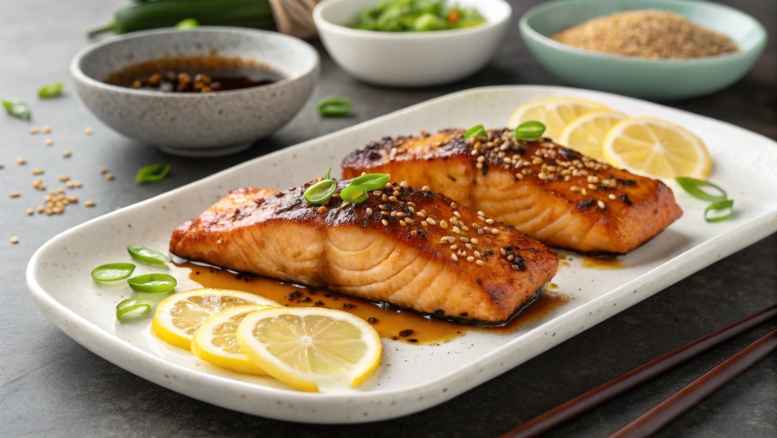
Sprinkle sesame seeds and sliced green onions over the salmon.
Serve with lemon wedges for extra brightness and freshness.
The savory glaze and flaky salmon taste best while warm and freshly cooked.
7. How Long to Prepare Miso Salmon
Preparation Time
Preparing the ingredients and glaze for Miso Salmon takes about 15 minutes.
Marinating Time
Optional marinating takes approximately 15–20 minutes.
Cooking Time
Miso Salmon bakes for about 12–15 minutes.
Total Time
The total time for making Miso Salmon is around 40 minutes.
8. Tips for Perfecting Miso Salmon
Use fresh salmon for the best texture and flavor.
Do not overcook the salmon because it can become dry very quickly.
Allow the glaze to marinate briefly for a deeper flavor.
Broiling at the end helps create beautiful caramelization on the Miso Salmon.
Line the baking tray with parchment paper for easier cleanup.
Use white miso for a milder and slightly sweeter flavor profile.
9. Watch Out for These Mistakes While Cooking
Overcooking the salmon may cause a dry and tough texture.
Using too much soy sauce can overpower the balance of flavors.
Skipping the parchment paper may cause sticking and difficult cleanup.
Burning the glaze under the broiler can create a bitter flavor.
Using cold salmon directly from the refrigerator may cause uneven cooking.
10. What to Serve With Miso Salmon?
Miso Salmon pairs wonderfully with steamed rice, jasmine rice, or fried rice.
Roasted vegetables, bok choy, broccoli, and asparagus complement the savory glaze beautifully.
Miso soup and cucumber salad also pair very well with Miso Salmon.
For noodles, soba noodles or ramen make excellent side dishes.
Pickled vegetables and kimchi add freshness and contrast to the rich salmon flavor.
Miso Salmon is also delicious alongside sesame green beans or stir-fried vegetables.
11. Storage Instructions
Store leftover Miso Salmon in an airtight container in the refrigerator for up to 3 days.
Reheat gently in the oven or skillet to avoid drying out the salmon.
Avoid microwaving for too long because it may affect the texture.
The miso glaze may become slightly stronger in flavor after refrigeration.
Miso Salmon can also be enjoyed cold in salads or rice bowls.
Freezing is possible, although fresh Miso Salmon provides the best texture.
12. Estimated Nutrition
Per Serving (Approximate)
- Calories: 360
- Carbohydrates: 8g
- Protein: 34g
- Fat: 20g
- Saturated Fat: 4g
- Sodium: 720mg
- Sugar: 5g
- Fiber: 1g
Nutrition values may vary depending on ingredients and serving sizes.
13. Frequently Asked Questions
What Does Miso Salmon Taste Like?
Miso Salmon has a rich, savory flavor with sweet, salty, and umami notes from the glaze.
Can I Use Frozen Salmon for Miso Salmon?
Yes, frozen salmon works well if properly thawed before cooking.
What Type of Miso Is Best for Miso Salmon?
White miso is commonly used because it has a milder and slightly sweeter flavor.
Can I Grill Miso Salmon Instead of Baking?
Yes, Miso Salmon can be grilled for extra smoky flavor.
How Do I Know When Miso Salmon Is Fully Cooked?
The salmon should flake easily with a fork and appear opaque in the center.
14. Conclusion
Miso Salmon is a flavorful Japanese-inspired seafood dish that combines tender salmon with a rich and savory miso glaze. The balance of sweet, salty, and umami flavors creates a comforting meal that feels both elegant and satisfying.
This easy recipe delivers restaurant-quality flavor while remaining simple enough for everyday cooking. The flaky salmon and caramelized glaze pair perfectly with rice, vegetables, and many side dishes.
Whether you are preparing Miso Salmon for a weeknight dinner or a special occasion, this delicious recipe is guaranteed to impress with its bold flavor and beautiful presentation.