
Homemade Cinnamon Rolls: Soft, Fluffy, Gooey, and Perfectly Sweet
Nothing beats the smell of homemade cinnamon rolls baking in the oven. These cinnamon rolls are soft, fluffy, buttery, and filled with a generous layer of cinnamon sugar. Once baked, they’re finished with a smooth cream cheese icing that melts beautifully over the warm rolls.
Making cinnamon rolls from scratch may seem intimidating, but the process is easier than it looks. The dough requires just a few basic ingredients, and allowing it to rise properly gives the rolls their light and pillowy texture.
These homemade cinnamon rolls are perfect for weekend breakfasts, holiday mornings, brunch gatherings, or whenever you want a warm and comforting homemade treat.
Why You’ll Love These Homemade Cinnamon Rolls
- Soft and fluffy: A properly kneaded and risen dough creates light, tender rolls.
- Rich cinnamon filling: Butter, brown sugar, and cinnamon create a gooey, aromatic center.
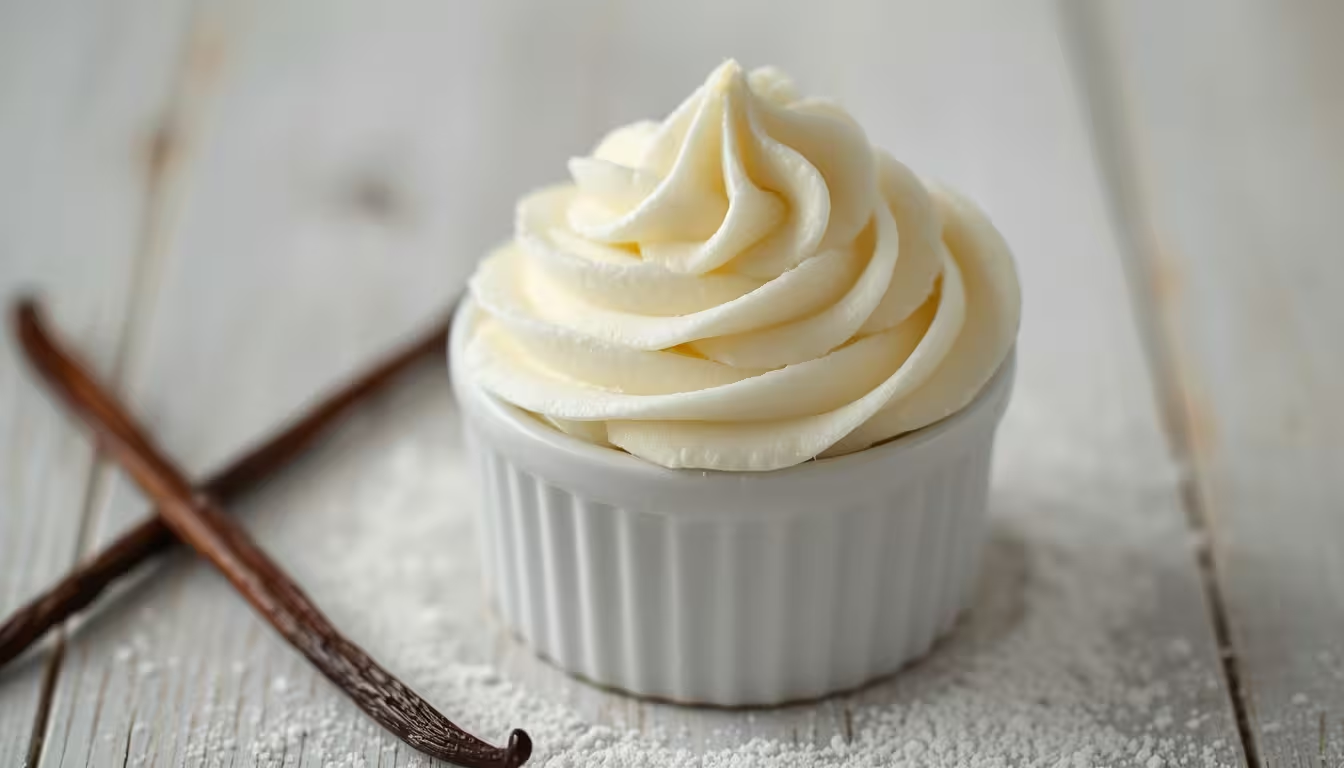
- Creamy icing: Tangy cream cheese frosting balances the sweetness of the rolls.
- Fresh from the oven: They’re especially delicious while still warm.
- Make-ahead friendly: Prepare the rolls the night before and bake them the next morning.
- Perfect for sharing: One baking dish makes plenty of rolls for family and guests.
What Kind of Flour Should I Use for Homemade Cinnamon Rolls?
All-purpose flour works very well for homemade cinnamon rolls and produces a soft, tender dough.
You can also use bread flour, which contains more protein and can give the rolls a slightly chewier structure. If you use bread flour, avoid adding too much extra flour because the dough should remain soft and slightly tacky.
The most important thing is not to overload the dough with flour. Too much flour can result in dense, dry cinnamon rolls instead of soft and fluffy ones.
Options for Substitutions
- Whole milk: Use 2% milk if preferred.
- Unsalted butter: Salted butter can be used; reduce the added salt slightly.
- Brown sugar: Use dark brown sugar for a deeper molasses flavor.
- Cream cheese: Mascarpone can be used for a milder, creamy frosting.
- Active dry yeast: Instant yeast can be substituted using the same general quantity.
- Granulated sugar: Use it in the dough, but brown sugar is recommended for the filling.
- Pecans or walnuts: Add chopped nuts to the filling for extra crunch.
- Cream cheese icing: Use a simple powdered-sugar glaze if you prefer a lighter topping.
Ingredients for Homemade Cinnamon Rolls
For the Dough
- ¾ cup warm whole milk
- 2¼ tsp active dry yeast
- ¼ cup granulated sugar
- 1 large egg
- 1 egg yolk
- ¼ cup unsalted butter, melted
- 3 cups all-purpose flour
- ½ tsp salt
For the Cinnamon Filling
- ½ cup unsalted butter, softened
- ¾ cup packed brown sugar
- 2 tbsp ground cinnamon
- 1 tsp vanilla extract
- ¼ tsp salt
For the Cream Cheese Icing
- 4 oz cream cheese, softened
- ¼ cup unsalted butter, softened
- 1 cup powdered sugar
- 1 tsp vanilla extract
- 1–2 tbsp milk, as needed
Preparation of Homemade Cinnamon Rolls
1. Activate the Yeast
Pour the warm milk into a large mixing bowl.
Add the yeast and a small amount of the granulated sugar. Stir gently and let the mixture sit for about 5–10 minutes.
The mixture should become slightly foamy, indicating that the yeast is active.
The milk should be warm rather than hot. Excessive heat can damage the yeast.
2. Prepare the Dough
Add the remaining sugar, egg, egg yolk, melted butter, and salt to the yeast mixture.
Stir until combined.
Gradually add the flour, mixing until a soft dough forms.
The dough should be slightly sticky but manageable. Avoid adding large amounts of extra flour just to make it completely dry.
3. Knead the Dough
Transfer the dough to a lightly floured work surface.
Knead for approximately 8–10 minutes, until the dough becomes smooth, elastic, and soft.
You can also use a stand mixer fitted with a dough hook and knead on low to medium speed until the dough becomes smooth and elastic.
4. Let the Dough Rise
Place the dough in a lightly greased bowl and cover it with a clean kitchen towel or plastic wrap.
Let it rise in a warm, draft-free place for approximately 1–1½ hours, or until it has roughly doubled in size.
The exact rising time depends on the temperature of your kitchen.
5. Prepare the Cinnamon Filling
While the dough rises, combine the softened butter, brown sugar, cinnamon, vanilla, and salt in a bowl.
Mix until you have a smooth, spreadable mixture.
Keep the filling soft enough to spread without tearing the dough.
6. Roll Out the Dough
Once the dough has doubled in size, gently punch it down to release excess air.
Transfer it to a lightly floured surface and roll it into a rectangle approximately 15 × 10 inches.
Try to maintain an even thickness across the entire rectangle.
7. Add the Cinnamon Filling
Spread the cinnamon-butter mixture evenly over the surface of the dough.
Leave a small border around the edges so the filling doesn’t squeeze out excessively when the dough is rolled.
8. Roll the Dough
Starting from one of the longer sides, tightly roll the dough into a log.
Roll it evenly without pressing so hard that the filling gets pushed out.
Once rolled, place the seam side down.
9. Cut the Cinnamon Rolls
Using a sharp knife or unflavored dental floss, divide the dough into approximately 10–12 equal pieces.
Place the rolls in a greased 9 × 13-inch baking dish, leaving a little space between them.
Cover and let them rise again for approximately 30–45 minutes, until noticeably puffy.
10. Bake the Cinnamon Rolls
Preheat the oven to 350°F (175°C).
Bake the rolls for approximately 22–28 minutes, or until they are lightly golden on top and cooked through in the center.
Avoid overbaking, as this can make the rolls dry.
11. Prepare the Cream Cheese Icing
While the rolls bake, beat the softened cream cheese and butter until smooth.
Add the powdered sugar and vanilla extract and mix until creamy.
Add milk a little at a time until the icing reaches your preferred consistency.
12. Ice and Serve
Remove the cinnamon rolls from the oven and let them cool for about 5–10 minutes.
Spread the cream cheese icing generously over the warm rolls.
Serve immediately while they’re soft, warm, and gooey.
How Long to Prepare Homemade Cinnamon Rolls?
- Preparation Time: 30 minutes
- First Rise: 1–1½ hours
- Second Rise: 30–45 minutes
- Baking Time: 22–28 minutes
- Cooling and Icing: 10 minutes
- Total Time: Approximately 2½–3½ hours
Most of the total time is hands-off rising time.
Tips for Perfecting Homemade Cinnamon Rolls
Don’t Overheat the Milk
The milk should feel warm, not hot. Very hot liquid can prevent the yeast from working properly.
Don’t Add Too Much Flour
The dough should be soft and slightly tacky. Adding too much flour creates dense and dry rolls.
Give the Dough Enough Time to Rise
Proper fermentation is essential for light, fluffy cinnamon rolls. Let the dough rise until it has visibly expanded rather than relying only on the clock.
Roll the Dough Evenly
An even rectangle helps ensure that all the rolls have a similar amount of filling and bake at the same rate.
Spread the Filling Completely
Distribute the cinnamon filling evenly so every bite has buttery cinnamon flavor.
Cut the Rolls Cleanly
Dental floss is an excellent way to cut cinnamon rolls without crushing their shape.
Don’t Overbake
The rolls should be lightly golden and soft. Baking them for too long can remove much of their moisture.
Ice Them While Warm
Adding the cream cheese icing while the rolls are still warm allows it to soften and spread beautifully across the surface.
Watch Out for These Mistakes While Making Cinnamon Rolls
Using Dead Yeast
If your yeast doesn’t become active when required, the dough may not rise. Always check that the yeast is fresh and the liquid isn’t too hot.
Adding Too Much Flour
A stiff dough usually results in heavy cinnamon rolls. Add flour gradually and stop when the dough is soft and elastic.
Skipping the Second Rise
The second rise gives the shaped rolls additional volume and contributes to their fluffy texture.
Rolling the Dough Too Thin
Very thin dough can produce flat rolls with less of the soft, pillowy center you’re looking for.
Using Cold Butter for the Filling
The filling should be soft and spreadable. Cold butter can tear the dough when spread.
Overbaking
Even a few extra minutes can make cinnamon rolls noticeably drier. Remove them once they’re lightly golden and cooked through.
Adding Too Much Icing
Cream cheese icing is delicious, but too much can overwhelm the cinnamon flavor. Add enough to generously coat the rolls without completely masking them.
What to Serve With Homemade Cinnamon Rolls?
Fresh Fruit
Serve cinnamon rolls with strawberries, blueberries, raspberries, or sliced apples for a fresh contrast.
Scrambled Eggs
A savory egg dish balances the sweetness and makes cinnamon rolls part of a satisfying breakfast.
Crispy Bacon
The salty, savory flavor of bacon pairs especially well with sweet cinnamon rolls.
Fresh Coffee
Coffee is a classic companion to cinnamon rolls. The bitterness helps balance their sweetness.
Hot Chocolate
For a cozy weekend breakfast or winter treat, serve the rolls with hot chocolate.
Fresh Orange Juice
The acidity and freshness of orange juice provide a pleasant contrast to the rich butter and cream cheese icing.
Storage Instructions
At Room Temperature
Store cooled cinnamon rolls in an airtight container at room temperature for up to 2 days.
In the Refrigerator
Because of the cream cheese icing, refrigerate leftovers in an airtight container for up to 5 days.
Allow them to sit at room temperature briefly or gently warm them before serving.
In the Freezer
Freeze baked cinnamon rolls without icing for up to 3 months.
Wrap them individually in plastic wrap and place them in a freezer-safe bag or container.
Thaw overnight in the refrigerator or at room temperature, then warm gently and add fresh icing.
Make-Ahead Instructions
Homemade cinnamon rolls are excellent for preparing ahead of time.
After shaping and placing the rolls in the baking dish, cover them tightly and refrigerate overnight.
The next morning, allow the rolls to sit at room temperature for approximately 30–60 minutes so they can become slightly puffy before baking.
Prepare the cream cheese icing while they bake and spread it over the warm rolls.
Estimated Nutrition
Approximate values per serving, assuming 12 cinnamon rolls:
- Calories: 390 kcal
- Protein: 6 g
- Carbohydrates: 54 g
- Fat: 17 g
- Saturated Fat: 10 g
- Fiber: 2 g
- Sugar: 25 g
- Sodium: 280 mg
Nutrition will vary depending on the exact ingredients, portion size, and amount of icing used.
Frequently Asked Questions
Why are my cinnamon rolls not fluffy?
The most common causes are inactive yeast, too much flour, insufficient rising time, or overbaking. Make sure the dough has enough time to rise and remains soft.
Can I make cinnamon rolls the night before?
Yes. Shape the rolls, place them in the baking dish, cover tightly, and refrigerate overnight. Let them sit at room temperature before baking the next morning.
Can I use instant yeast?
Yes. Instant yeast can generally be added directly to the dough without the same activation step required for active dry yeast.
How do I know when cinnamon rolls are done?
The rolls should be lightly golden on top and cooked through in the center. They should feel soft and spring back slightly when gently pressed.
Why did my cinnamon roll filling leak out?
This can happen if the dough is rolled too loosely, too tightly, or if too much filling is used. Leave a small border around the dough and roll it evenly.
Can I add nuts to cinnamon rolls?
Absolutely. Chopped pecans or walnuts can be sprinkled over the cinnamon filling before rolling the dough.
Can I make cinnamon rolls without cream cheese icing?
Yes. You can use a simple glaze made with powdered sugar, vanilla, and milk instead.
How do I reheat cinnamon rolls?
Microwave an individual roll for about 15–25 seconds, or warm several rolls in a low oven until heated through. Avoid overheating because it can dry them out.
Conclusion
These homemade cinnamon rolls are soft, fluffy, buttery, and packed with warm cinnamon flavor. The combination of tender yeast dough, brown sugar filling, and creamy cream cheese icing makes them an irresistible breakfast or dessert.
Although they require some patience because of the rising time, the result is well worth the effort. Prepare them fresh for a weekend breakfast, make them ahead for a holiday morning, or serve them at brunch when you want a homemade treat that everyone will love.