Homemade Pizza Dough: Soft, Chewy, and Perfectly Crisp
Homemade Pizza Dough is the foundation of a delicious homemade pizza, giving you a crust that’s crisp around the edges, chewy in the center, and full of fresh-baked flavor. Made with simple pantry ingredients like flour, yeast, water, olive oil, salt, and a touch of sugar, this easy dough comes together without complicated techniques. Whether you’re making classic pepperoni pizza, Margherita pizza, or creating your own favorite combination of toppings, homemade dough makes every pizza taste better.
The secret to excellent Homemade Pizza Dough is giving the yeast enough time to activate and allowing the dough to rise properly. Kneading develops gluten, which gives the crust its elasticity and chewiness, while a hot oven helps create a beautifully browned exterior. Letting the dough rest before stretching also makes it easier to shape without tearing.
Homemade Pizza Dough is also incredibly versatile. You can make it the same day or refrigerate it for a slower fermentation that develops even more flavor.
Why You’ll Love This Homemade Pizza Dough
One of the best reasons to make Homemade Pizza Dough is the texture. You can create a crust that’s crisp on the outside while remaining soft and chewy inside.
Another reason this recipe stands out is its simplicity. The dough requires only a handful of basic ingredients and can be prepared without special equipment.
Homemade Pizza Dough is also easy to customize. Make it thin and crispy, thick and fluffy, or shape it into individual personal pizzas depending on what you prefer.
What Kind of Flour Should I Use for Homemade Pizza Dough?
All-purpose flour works very well for Homemade Pizza Dough and produces a soft, chewy crust that’s easy to work with.
Bread flour contains more protein and produces a chewier crust with stronger gluten development. It’s an excellent choice if you prefer a more substantial pizza crust.
For a particularly tender crust, you can combine all-purpose flour with a small amount of whole-wheat flour, although the dough may be slightly denser.
For a classic homemade pizza, either all-purpose or bread flour will produce excellent results.
Options for Substitutions
Bread flour may replace all-purpose flour.
Honey may replace granulated sugar.
Instant yeast may replace active dry yeast.
Whole-wheat flour may replace up to 25% of the all-purpose flour.
Avocado oil may replace olive oil.
Ingredients for Homemade Pizza Dough
For the Dough
- 3 cups all-purpose flour
- 1 cup warm water
- 2¼ teaspoons active dry yeast
- 1 teaspoon granulated sugar
- 1 teaspoon salt
- 2 tablespoons olive oil
For Shaping
- 1–2 tablespoons additional flour
- Cornmeal or semolina, optional
Preparation of Homemade Pizza Dough
Step 1: Activate the Yeast
Pour the warm water into a large mixing bowl.
Add the sugar and active dry yeast. Stir gently and allow the mixture to sit for about 5–10 minutes.
The yeast should become foamy on the surface, indicating that it is active.
Avoid using water that’s too hot because it can damage the yeast.
Step 2: Add the Remaining Ingredients
Add the olive oil and salt to the yeast mixture.
Gradually add the flour, stirring with a wooden spoon or sturdy spatula until a shaggy dough begins to form.
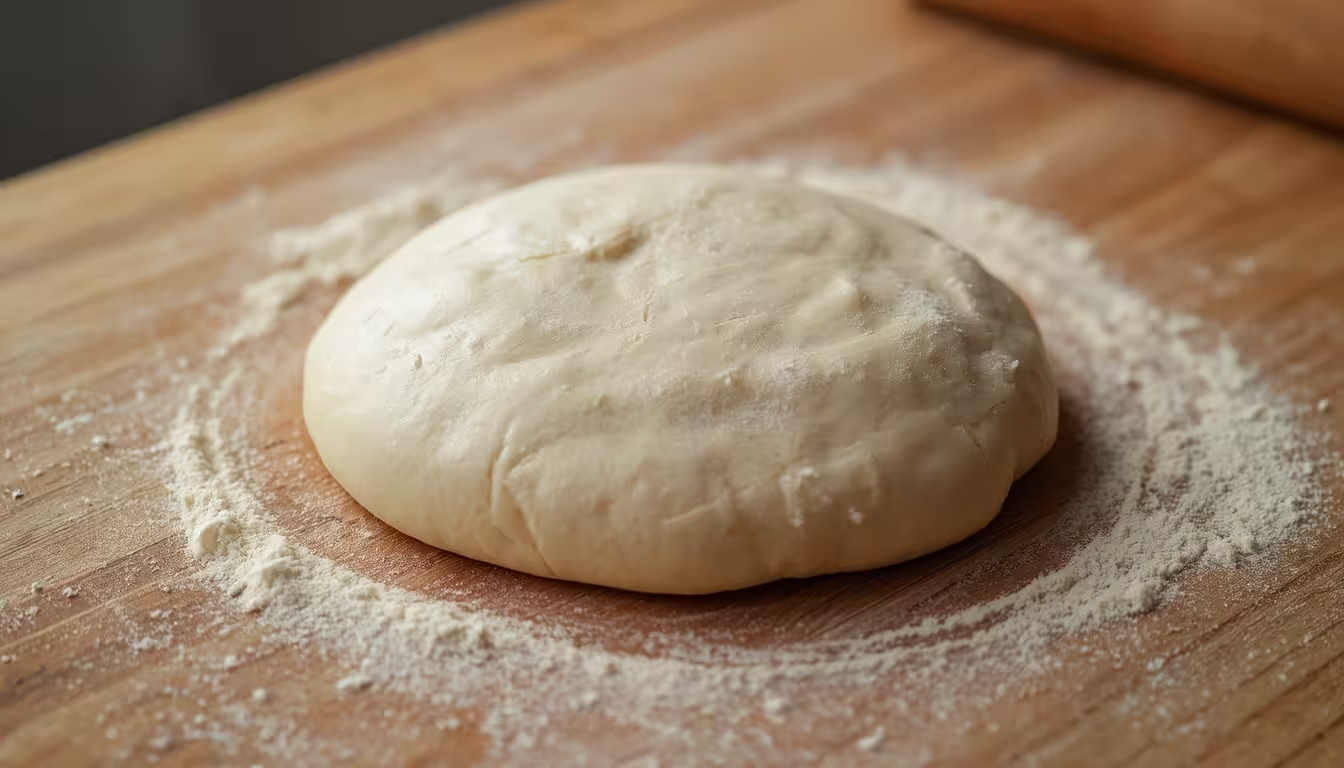
The dough should be soft and slightly tacky but not excessively sticky.
Step 3: Knead the Dough
Transfer the dough to a lightly floured work surface.
Knead for approximately 8–10 minutes, folding and pressing the dough repeatedly until it becomes smooth and elastic.
If the dough is extremely sticky, add flour one tablespoon at a time. Avoid adding too much flour, as this can make the crust dense.
Step 4: Let the Dough Rise
Lightly oil a clean bowl.
Place the dough inside and turn it once so the surface is lightly coated with oil.
Cover the bowl with plastic wrap or a clean kitchen towel.
Let the dough rise in a warm, draft-free area for approximately 1–2 hours, or until it has doubled in size.
Step 5: Divide the Dough
Once the dough has doubled, gently press it down to release excess air.
Transfer it to a lightly floured surface and divide it into two equal portions.
Shape each portion into a smooth ball by folding the edges underneath.
Allow the dough balls to rest for approximately 15–20 minutes before shaping.
Step 6: Shape the Pizza Dough
Preheat your oven to 475°F (245°C). If you have a pizza stone or steel, place it in the oven while it preheats.
Place one dough ball on a lightly floured surface.
Using your fingertips, gently press the dough outward from the center, leaving a slightly thicker border around the edge.
Stretch the dough into approximately a 12-inch circle.
Avoid using a rolling pin if you want a lighter, airier crust because rolling can flatten the bubbles created during fermentation.
Step 7: Add the Toppings
Transfer the shaped dough to a pizza peel, baking sheet, or parchment paper.
Spread a thin layer of pizza sauce over the surface.
Add mozzarella cheese and your favorite toppings, making sure not to overload the pizza.
A lighter layer of toppings allows the crust to bake evenly and remain crisp.
Step 8: Bake the Pizza
Carefully transfer the pizza to the preheated oven.
Bake for approximately 10–15 minutes, depending on the thickness of the crust and the amount of toppings.
The crust should be golden brown around the edges, and the cheese should be melted and lightly browned.
For an especially crisp crust, bake the pizza on a preheated pizza stone or steel.
Step 9: Slice and Serve
Remove the pizza from the oven and allow it to cool for a few minutes.
Slice into wedges using a pizza cutter or sharp knife.
Add fresh basil, Parmesan cheese, crushed red pepper, or a drizzle of olive oil if desired.
Serve immediately while the crust is warm and crisp.
How Long to Prepare Homemade Pizza Dough
Preparation Time
Mixing and kneading the dough takes approximately 20 minutes.
Rising Time
Allow approximately 1–2 hours for the dough to double in size.
Baking Time
The pizza takes approximately 10–15 minutes to bake.
Total Time
The total time is approximately 1 hour 40 minutes to 2 hours 35 minutes, depending on the rising time.
Tips for Perfecting Homemade Pizza Dough
Use warm rather than hot water when activating the yeast.
Don’t add too much flour during kneading.
Give the dough enough time to rise.
Allow the dough to rest before stretching.
Preheat the oven thoroughly before baking.
Use a pizza stone or steel for a crispier crust.
Avoid adding too many toppings.
Watch Out for These Mistakes While Making Pizza Dough
Using water that’s too hot can kill the yeast.
Adding excessive flour can create a dry, tough crust.
Under-kneading can result in weak gluten development.
Skipping the resting period can make the dough difficult to stretch.
A poorly preheated oven can produce a pale, soft crust.
Overloading the pizza with toppings can make the center soggy.
How to Make Homemade Pizza Dough Ahead of Time
For even better flavor, allow the dough to ferment slowly in the refrigerator.
After kneading, place the dough in a lightly oiled airtight container and refrigerate for up to 3 days.
When you’re ready to make pizza, remove the dough from the refrigerator and allow it to sit at room temperature for approximately 1–2 hours before shaping.
Slow fermentation gives the dough more time to develop flavor while improving its texture.
Storage Instructions
Store unused pizza dough in a lightly oiled airtight container in the refrigerator for up to 3 days.
For longer storage, freeze individual dough balls for up to 3 months.
To use frozen dough, thaw it overnight in the refrigerator and then allow it to come to room temperature before shaping.
Once baked, leftover pizza can be refrigerated in an airtight container for up to 4 days.
Estimated Nutrition
Per Serving, Dough Only (Approximate)
- Calories: 215
- Carbohydrates: 39g
- Protein: 6g
- Fat: 4g
- Saturated Fat: 1g
- Sodium: 390mg
- Fiber: 1g
- Sugar: 1g
Nutrition values will vary depending on the flour, toppings, and serving size used.
Frequently Asked Questions
What Does Homemade Pizza Dough Taste Like?
Homemade Pizza Dough has a lightly savory, slightly yeasty flavor with a crisp exterior and soft, chewy center. Longer fermentation produces a deeper, more developed flavor.
Can I Make Pizza Dough Without a Stand Mixer?
Absolutely. This recipe is easy to mix and knead by hand.
Why Is My Pizza Dough Not Rising?
Inactive yeast, water that’s too hot or cold, or a room that’s too cool can prevent the dough from rising properly. Make sure your yeast is active and allow enough time for fermentation.
Can I Make the Dough the Night Before?
Yes. Refrigerating the dough overnight is an excellent way to develop more flavor. Allow it to come to room temperature before shaping.
How Do I Get a Crispy Pizza Crust?
Use a very hot oven, preheat a pizza stone or steel if available, avoid overloading the pizza with toppings, and stretch the dough relatively thin.
Can I Freeze Homemade Pizza Dough?
Yes. Divide the dough into individual portions, lightly oil them, place them in airtight freezer-safe containers or bags, and freeze for up to 3 months.
Conclusion
Homemade Pizza Dough is an easy and rewarding recipe that gives you a soft, chewy center and beautifully crisp edges. With just flour, yeast, water, olive oil, salt, and a little sugar, you can create a versatile dough that’s perfect for virtually any pizza combination.
The key is allowing the dough enough time to rise, developing the gluten without adding excessive flour, and baking the pizza in a thoroughly preheated oven. For even more flavor, refrigerate the dough overnight and let it ferment slowly.
Whether you’re making a classic Margherita, pepperoni pizza, veggie pizza, or your own signature creation, this Homemade Pizza Dough provides the perfect foundation for a delicious homemade pizza night.