Homemade Beef Stew: Rich, Hearty, and Comforting for Every Season
Homemade Beef Stew is a classic one-pot meal featuring tender chunks of beef, hearty vegetables, and a rich, savory broth that’s slow-simmered until every ingredient is perfectly cooked. This comforting dish is known for its deep flavors, melt-in-your-mouth beef, and thick, satisfying gravy, making it an ideal dinner for chilly evenings, family gatherings, or weekend meals. Every spoonful delivers a delicious combination of beef, potatoes, carrots, and herbs that has made this recipe a timeless favorite.
The secret to an exceptional Homemade Beef Stew is browning the beef before simmering it. This process develops a rich, caramelized flavor that forms the foundation of the stew. As the beef cooks gently in broth with onions, garlic, tomatoes, and herbs, it becomes incredibly tender while the vegetables absorb all the savory flavors.
Homemade Beef Stew is also an excellent make-ahead meal. In fact, it often tastes even better the next day as the flavors continue to develop, making it perfect for meal prep and leftovers.
Why You’ll Love This Homemade Beef Stew
One of the best reasons to love Homemade Beef Stew is its rich, comforting flavor. Slow cooking allows the beef to become incredibly tender while creating a thick, flavorful broth that’s perfect for dipping bread into.
Another reason this recipe stands out is its simplicity. Everything cooks together in one pot, making preparation and cleanup easy while creating a hearty meal that’s filling enough for the whole family.
Homemade Beef Stew is also highly versatile. You can add different vegetables, herbs, or even mushrooms to customize the recipe while still enjoying the classic homemade taste everyone loves.
What Kind of Beef Should I Use for Homemade Beef Stew?
Beef chuck roast is the best choice for Homemade Beef Stew because it contains enough marbling to become tender and flavorful during slow cooking. As it simmers, the connective tissue breaks down naturally, creating juicy pieces of beef that practically fall apart.
Other excellent options include bottom round, beef shoulder, or stew meat cut from chuck. These cuts become tender after extended cooking and provide excellent flavor throughout the stew.
Avoid naturally tender cuts like sirloin or tenderloin, as they can become dry and lose their texture during long cooking times.
Choosing a well-marbled cut ensures your Homemade Beef Stew is rich, tender, and packed with flavor.
Options for Substitutions
Beef broth may be replaced with vegetable broth.
Yukon Gold potatoes may replace russet potatoes.
Parsnips may replace carrots.
Frozen peas can be added during the final few minutes of cooking.
Fresh rosemary may replace dried thyme.
Ingredients for Homemade Beef Stew
For the Beef Stew
- 2 pounds beef chuck roast, cut into 1½-inch cubes
- 2 tablespoons olive oil
- ¼ cup all-purpose flour
- 1 teaspoon salt
- ½ teaspoon black pepper
- 1 large onion, diced
- 3 cloves garlic, minced
- 2 tablespoons tomato paste
- 4 cups beef broth
- 1 tablespoon Worcestershire sauce
- 1 teaspoon dried thyme
- 1 teaspoon dried rosemary
- 2 bay leaves
- 4 medium carrots, sliced
- 3 medium potatoes, peeled and cubed
- 2 celery stalks, sliced
- 1 cup frozen peas
- 2 tablespoons chopped fresh parsley
Preparation of Homemade Beef Stew
Step 1: Prepare the Beef
Pat the beef cubes dry with paper towels.
In a large bowl, combine the flour, salt, and black pepper. Toss the beef cubes in the seasoned flour until lightly coated. This coating helps develop a flavorful crust while also slightly thickening the stew during cooking.
Shake off any excess flour before browning the meat.
Step 2: Brown the Beef
Heat the olive oil in a large Dutch oven or heavy-bottomed pot over medium-high heat.
Working in batches, brown the beef on all sides for about 6–8 minutes per batch. Avoid overcrowding the pot so the beef develops a rich brown crust instead of steaming.
Transfer the browned beef to a plate and set it aside.
Step 3: Cook the Aromatics
In the same pot, add the diced onion and cook for about 5 minutes until softened.
Stir in the minced garlic and cook for another minute until fragrant. Add the tomato paste and cook for an additional 2 minutes, stirring constantly to deepen its flavor.
These ingredients create a rich base for the stew.
Step 4: Build the Stew
Return the browned beef to the pot.
Pour in the beef broth and Worcestershire sauce, then stir in the thyme, rosemary, and bay leaves. Bring the mixture to a gentle boil while scraping up any browned bits from the bottom of the pot.
Reduce the heat to low and cover the pot.
Step 5: Slow Simmer
Allow the stew to simmer gently for about 1½ hours.
The slow cooking process allows the beef to become tender while the broth develops a deep, rich flavor. Stir occasionally to prevent sticking.
The beef should be nearly fork-tender before adding the vegetables.
Step 6: Add the Vegetables
Stir in the carrots, potatoes, and celery.
Continue simmering for another 35–40 minutes until the vegetables are tender and the beef is fully cooked. Add the frozen peas during the final 5 minutes of cooking.
Remove the bay leaves before serving.
Step 7: Garnish and Serve the Homemade Beef Stew
Taste the stew and adjust the seasoning with additional salt and pepper if needed.
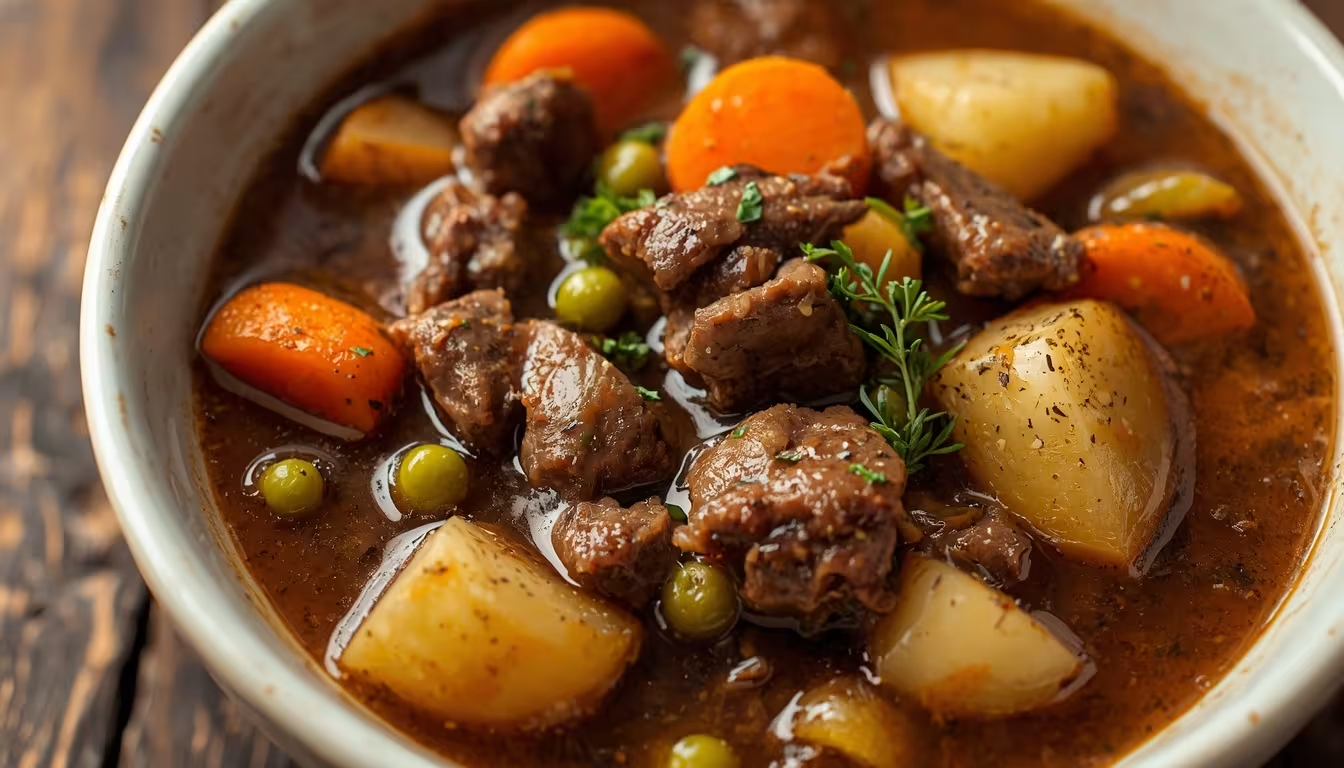
Ladle the Homemade Beef Stew into serving bowls and garnish with freshly chopped parsley. The finished stew should have tender beef, perfectly cooked vegetables, and a rich, thick broth full of savory flavor.
Serve immediately while hot.
How Long to Prepare Homemade Beef Stew
Preparation Time
Preparing the ingredients takes approximately 25 minutes.
Cooking Time
Cooking the Homemade Beef Stew takes about 2 hours and 15 minutes.
Total Time
The total time for making Homemade Beef Stew is around 2 hours and 40 minutes.
Tips for Perfecting Homemade Beef Stew
Brown the beef thoroughly before simmering.
Use beef chuck for the most tender results.
Simmer over low heat.
Add the vegetables later so they don’t become mushy.
Taste and adjust the seasoning before serving.
Watch Out for These Mistakes While Cooking
Skipping the browning step reduces flavor.
Boiling the stew rapidly can toughen the beef.
Adding the vegetables too early may overcook them.
Using lean cuts of beef can produce dry meat.
Forgetting to remove the bay leaves before serving.
What to Serve With Homemade Beef Stew?
Homemade Beef Stew pairs beautifully with crusty artisan bread, French bread, dinner rolls, buttermilk biscuits, or garlic bread for soaking up the rich, flavorful broth. These classic sides complement the hearty stew and make the meal even more satisfying.
For additional side dishes, serve Homemade Beef Stew with mashed potatoes, buttered egg noodles, steamed rice, or creamy polenta. A crisp green salad, Caesar salad, or roasted vegetables also provides a fresh contrast to the rich flavors.
If you’re serving the stew for a special dinner, finish the meal with a simple fruit dessert, apple pie, or bread pudding. The comforting flavors pair perfectly with traditional homemade desserts.
Sparkling water, iced tea, apple cider, and dry red wines all complement Homemade Beef Stew exceptionally well.
This hearty dish is perfect for family dinners, cozy weekends, holidays, meal prep, and cold-weather gatherings.
Storage Instructions
Store leftover Homemade Beef Stew in an airtight container in the refrigerator for up to 4 days.
Reheat gently on the stovetop over medium-low heat or in the microwave until thoroughly heated.
Freeze cooled stew in freezer-safe containers for up to 3 months.
Thaw overnight in the refrigerator before reheating. Add a splash of beef broth if the stew thickens too much during storage.
Proper storage helps preserve the stew’s rich flavor and tender texture.
Estimated Nutrition
Per Serving (Approximate)
- Calories: 430
- Carbohydrates: 24g
- Protein: 34g
- Fat: 22g
- Saturated Fat: 7g
- Sodium: 690mg
- Fiber: 4g
- Sugar: 6g
Nutrition values may vary depending on the ingredients used.
Frequently Asked Questions
What Does Homemade Beef Stew Taste Like?
Homemade Beef Stew has a rich, savory flavor with tender beef, soft vegetables, aromatic herbs, and a thick, comforting broth.
Can I Make Homemade Beef Stew Ahead of Time?
Yes. Homemade Beef Stew often tastes even better the next day because the flavors continue to develop as it rests.
Can I Freeze Homemade Beef Stew?
Absolutely. Homemade Beef Stew freezes very well for up to 3 months when stored in airtight containers.
Why Is My Beef Tough?
Tough beef is usually caused by not simmering it long enough. Chuck roast becomes tender after slow cooking over low heat.
Can I Make Homemade Beef Stew in a Slow Cooker?
Yes. Brown the beef first, then transfer all the ingredients to a slow cooker and cook on low for 7–8 hours or on high for 4–5 hours.
Conclusion
Homemade Beef Stew is the ultimate comfort food, combining tender slow-cooked beef, hearty vegetables, and a rich, savory broth into one satisfying meal. Every bowl is packed with wholesome ingredients and deep, comforting flavors that make it perfect for family dinners and cozy evenings.
This easy one-pot recipe uses simple ingredients and a slow simmer to create a restaurant-quality stew that’s both filling and flavorful. Whether served with crusty bread, mashed potatoes, or a fresh salad, it’s a meal that never goes out of style.
Whether you’re preparing Homemade Beef Stew for a relaxing weekend dinner, meal prep, or a comforting cold-weather feast, this classic recipe is guaranteed to become a family favorite you’ll enjoy making again and again.