Oyster Stew: A Creamy and Comforting Seafood
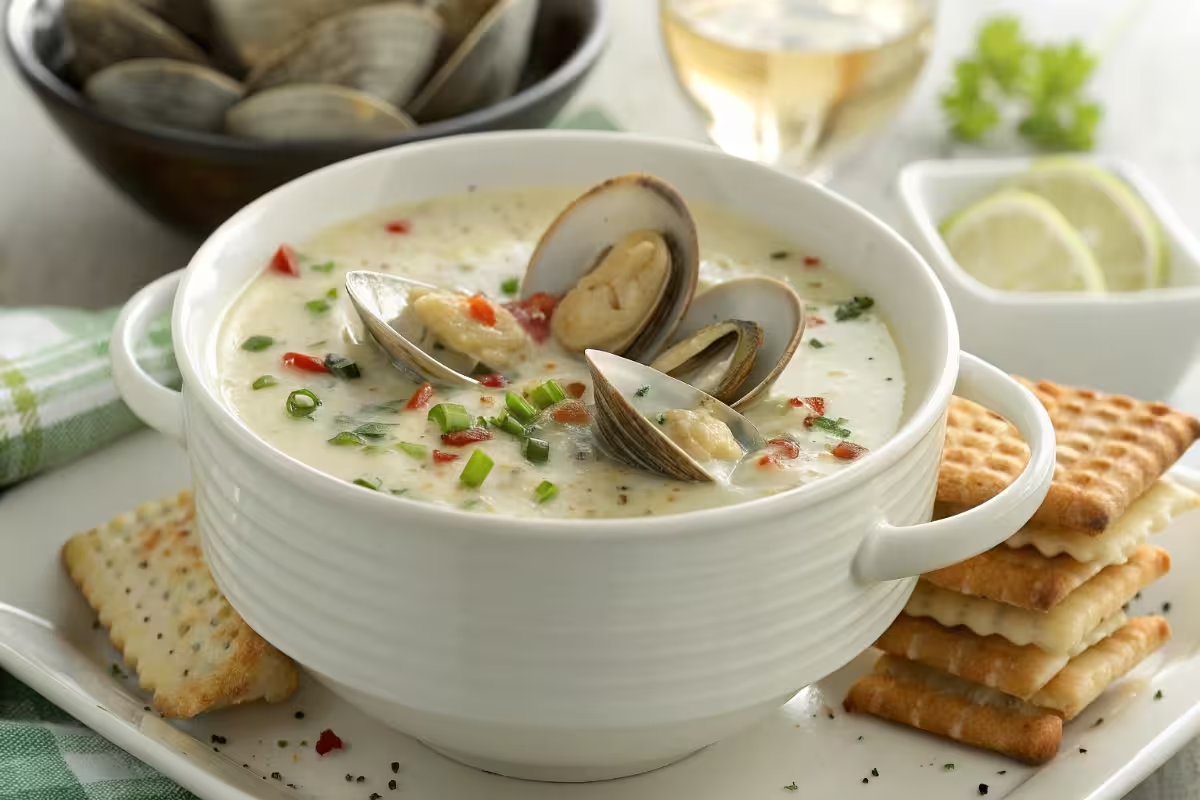
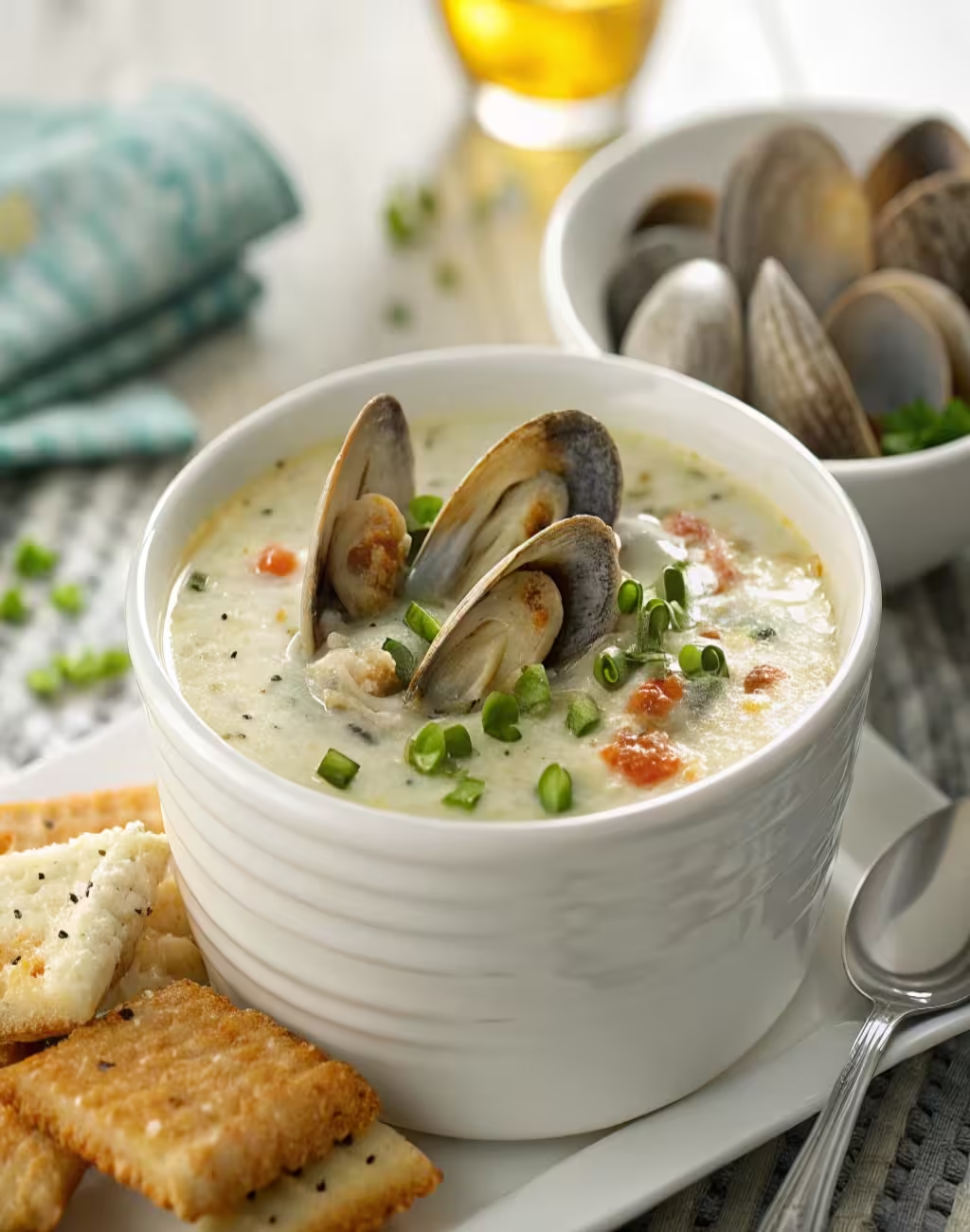
Oyster Stew is a rich and comforting seafood soup made with tender oysters, creamy broth, butter, and simple seasonings that allow the delicate seafood flavor to shine. Known for its smooth texture and savory taste, Oyster Stew is a classic dish often enjoyed during holidays, cold weather, and special family meals.
The oysters become tender and flavorful while the creamy broth develops rich seafood flavor without becoming overly heavy. Every spoonful of Oyster Stew feels warm, silky, and satisfying, making it perfect for cozy dinners or elegant seafood meals.
Oyster Stew is also surprisingly simple to prepare because it uses only a handful of ingredients while still delivering restaurant-style flavor. The combination of cream, butter, and oysters creates a delicate balance that feels both comforting and refined.
Whether served as a starter or light main course, Oyster Stew is a timeless seafood recipe that brings warmth and rich flavor to the table.
Why You’ll Love This Oyster Stew
Oyster Stew delivers rich seafood flavor with a smooth and creamy texture that feels comforting without being too heavy. The oysters remain tender while the broth becomes savory and flavorful from the butter and seasonings.
Another reason to love Oyster Stew is its simplicity. The recipe comes together quickly using basic ingredients, making it perfect for both special occasions and easy homemade dinners.
Oyster Stew also pairs beautifully with crackers, toasted bread, or light side dishes, making it versatile enough for holidays, seafood meals, or cozy cold-weather dinners.
What Kind of Oysters Should I Use for Oyster Stew?
Fresh oysters are the best choice for Oyster Stew because they provide the cleanest flavor and most tender texture. Freshly shucked oysters create a rich seafood taste while remaining delicate during cooking.
Jarred oysters may also be used for convenience, especially if fresh oysters are unavailable. Their natural oyster liquid can add even more seafood flavor to the Oyster Stew broth.
Medium-sized oysters work especially well because they stay tender without becoming too chewy. Smaller oysters may cook too quickly, while very large oysters can become tough if overcooked.
Fresh, high-quality oysters are important because the flavor of Oyster Stew depends heavily on the seafood itself. Mild and briny oysters create the best balance in the finished dish.
Options for Substitutions
Half-and-half may replace heavy cream for a lighter Oyster Stew texture while still maintaining creaminess.
Chicken broth or seafood stock can be added for a deeper savory flavor if desired.
Celery, onions, or potatoes may be added for extra texture and heartiness.
Fresh thyme, parsley, chives, or black pepper work beautifully as garnishes for Oyster Stew.
Butter may be partially replaced with olive oil for a slightly lighter variation.
Crackers, toasted bread, or oyster crackers can be served alongside the stew for added texture.
Ingredients for Oyster Stew
For the Oyster Stew
- 2 cups of oysters with liquid
- 2 tablespoons butter
- 2 cups milk
- 1 cup heavy cream
- 1 small onion, finely diced
- 1 celery stalk, finely diced
- 1 teaspoon salt
- ½ teaspoon black pepper
- ¼ teaspoon paprika
Optional Garnishes
- Fresh parsley
- Chopped chives
- Oyster crackers
- Extra black pepper
Preparation of Oyster Stew
Step 1: Prepare the Vegetables
Finely dice the onion and celery into small pieces. Smaller vegetables cook more evenly and blend smoothly into the creamy Oyster Stew.
Properly prepared vegetables help create balanced flavor without overpowering the delicate oysters. Keep the pieces small so the stew maintains a smooth texture.
Set the vegetables aside while preparing the cooking pot.
Step 2: Cook the Vegetables
Place a large pot over medium heat and melt the butter.
Add the diced onion and celery, then cook for about 5–7 minutes until softened and fragrant. Stir occasionally to prevent browning.
The softened vegetables create a flavorful base that adds depth to the Oyster Stew without overwhelming the seafood flavor.
Step 3: Add the Milk and Cream
Pour the milk and heavy cream into the pot slowly while stirring gently.
Heat the mixture over medium-low heat until warm but not boiling. Gentle heating helps maintain smooth texture and prevents the dairy from separating.
The creamy broth should appear silky and lightly thickened as it warms.
Step 4: Season the Oyster Stew
Add salt, black pepper, and paprika to the pot while stirring evenly.
The seasonings should enhance the delicate oyster flavor without overpowering the creamy broth. Taste carefully and adjust the seasoning gradually if needed.
Proper seasoning helps balance the richness of the cream and butter.
Step 5: Add the Oysters
Carefully add the oysters along with their liquid into the warm broth.
Cook gently for about 3–5 minutes until the oysters begin to curl slightly around the edges. This indicates they are fully cooked while still remaining tender.
Avoid overcooking because oysters can quickly become tough and rubbery if heated too long.
Step 6: Simmer the Oyster Stew
Allow the Oyster Stew to simmer gently for another 1–2 minutes while stirring occasionally.
The broth should remain creamy and smooth while the oysters stay tender and flavorful. Gentle simmering helps the seafood flavor blend throughout the stew.
Do not allow the stew to boil aggressively because high heat may affect both the oysters and the dairy texture.
Step 7: Serve the Oyster Stew
Ladle the Oyster Stew into serving bowls while hot.
Garnish with parsley, chives, extra black pepper, or oyster crackers if desired. Serve immediately for the best flavor and creamy texture.
Fresh bread, crackers, or light salads pair beautifully with Oyster Stew for a comforting seafood meal.
How Long to Prepare Oyster Stew
Preparation Time
Preparing the ingredients for Oyster Stew takes approximately 15 minutes.
Cooking Time
Cooking the Oyster Stew takes about 20 minutes.
Total Time
The total time for making Oyster Stew is around 35 minutes.
Tips for Perfecting Oyster Stew
Cook the oysters gently because overcooking can quickly make them tough instead of tender.
Use fresh oysters whenever possible because they provide a cleaner seafood flavor and better texture.
Heat the dairy slowly to prevent curdling and maintain a smooth, creamy consistency.
Season lightly at first because oysters naturally contain some saltiness from their liquid.
Serve Oyster Stew immediately after cooking for the freshest flavor and best texture.
Watch Out for These Mistakes While Cooking
Boiling the Oyster Stew aggressively may cause the dairy to separate and the oysters to become rubbery.
Overcooking the oysters is one of the most common mistakes and can ruin the delicate texture.
Using too much seasoning may overpower the natural seafood flavor of the stew.
Adding cold oysters directly into extremely hot liquid may cause uneven cooking.
Skipping the oyster liquid may reduce the depth of seafood flavor in the Oyster Stew.
What to Serve With Oyster Stew?
Oyster Stew pairs wonderfully with oyster crackers, crusty bread, garlic toast, or buttery biscuits. These sides complement the creamy broth and tender oysters beautifully.
Fresh green salads, roasted vegetables, or baked potatoes also work very well alongside Oyster Stew for balanced meals.
For larger seafood dinners, Oyster Stew can be served before grilled fish, shrimp dishes, or crab cakes.
Sparkling water, iced tea, or light citrus drinks pair nicely with the creamy seafood flavor.
Oyster Stew is especially popular during holidays, winter dinners, and comforting family gatherings.
Storage Instructions
Store leftover Oyster Stew in an airtight container in the refrigerator for up to 2 days. Seafood-based soups taste best when enjoyed fresh.
Reheat the Oyster Stew gently over low heat while stirring occasionally to maintain a smooth texture.
Avoid boiling during reheating because the oysters may become tough and the dairy may separate.
Freezing is generally not recommended because the creamy texture may change after thawing.
Freshly made Oyster Stew always provides the best flavor and consistency.
Estimated Nutrition
Per Serving (Approximate)
- Calories: 320
- Carbohydrates: 10g
- Protein: 14g
- Fat: 24g
- Saturated Fat: 13g
- Sodium: 640mg
- Fiber: 1g
- Sugar: 6g
Nutrition values may vary depending on ingredients and serving sizes.
Frequently Asked Questions
What Does Oyster Stew Taste Like?
Oyster Stew has creamy, savory, and slightly briny seafood flavor with tender oysters and smooth broth.
Can I Use Canned Oysters for Oyster Stew?
Yes, canned or jarred oysters can be used if fresh oysters are unavailable.
Why Are My Oysters Tough?
Overcooking is the most common reason oysters become rubbery in Oyster Stew.
Can I Make Oyster Stew Ahead of Time?
Oyster Stew is best served fresh, although leftovers can be gently reheated.
What Goes Well With Oyster Stew?
Crackers, crusty bread, biscuits, and light salads pair especially well with Oyster Stew.
Conclusion
Oyster Stew is a creamy, comforting, and flavorful seafood dish filled with tender oysters and rich, savory broth. The delicate balance of cream, butter, and seafood creates a timeless recipe that feels elegant while still being easy to prepare.
This homemade recipe uses simple ingredients while delivering restaurant-style flavor and texture. The smooth broth and tender oysters make Oyster Stew perfect for cozy dinners, holiday meals, and comforting seafood gatherings.
Whether you are preparing Oyster Stew for family traditions or trying it for the first time, this classic seafood recipe is guaranteed to bring warmth and rich flavor to your table.